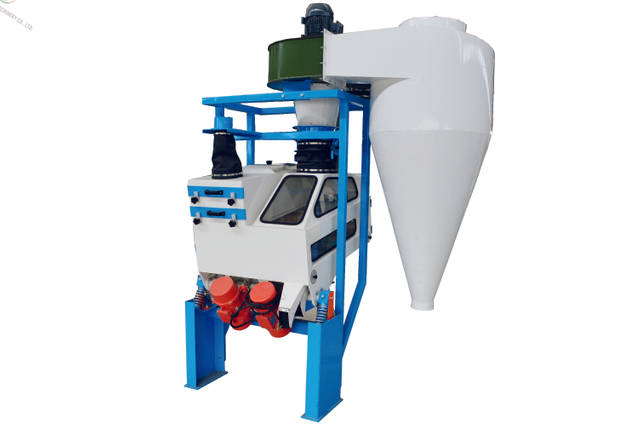
Traditionally, agricultural professionals assumed high-capacity grain processing required massive, centralized brick-and-mortar facilities. We are now seeing a rapid shift toward decentralized, agile processing right where the harvest happens. Centralized plants often face high inbound logistics costs and severe operational bottlenecks during peak harvest seasons. Moving bulk material over long distances also causes seed coat damage during transit, degrading overall crop quality before processing even begins. The modern mobile seed cleaner offers a robust solution to these logistical challenges. It has evolved from a basic fanning mill into a commercial-grade, modular system capable of delivering certified clean seed directly at the silo, farm, or distribution hub. This guide provides plant managers, large-scale farm operators, and agricultural service contractors a comprehensive evaluation framework. You will learn how to integrate portable seed cleaning technology into your existing operations for maximum efficiency and profitability.
Key Takeaways
Commercial-Grade Quality: Modern mobile units replicate stationary plant capabilities, integrating air screens, gravity tables, and color sorters on a single chassis.
Immediate ROI Drivers: Eliminates inbound freight costs, reduces seed coat damage from double-handling, and captures the typical $0.50–$1.50/bushel custom processing margin.
Operational Agility: Allows processing plants to deploy units directly to storage bins or contract farms, preventing contaminated grain from entering the central facility ("garbage in, garbage out").
Implementation Realities: Successful deployment requires strict attention to on-site dust mitigation, stable power sourcing, and material handling logistics.
Evaluating the Shift: Mobile vs. Stationary Grain Processing Machines
Stationary plants demand extensive civil engineering, permanent grain elevators, and rigid facility planning. These fixed facilities handle thousands of tons continuously over decades. However, mobile units drastically lower your initial capital expenditure (CAPEX). They also eliminate the ongoing operational expense (OPEX) of transporting raw grain to a central hub. You avoid hauling bulk material long distances just to process it. By keeping the processing close to the source, you reduce fuel consumption and wear on your transport fleet.
You must address realistic processing limits when planning your capacity. Fixed facilities excel at massive, continuous throughput. High-end mobile units bridge the capacity gap for mid-to-large localized operations. They now comfortably process 400 to 1,500+ bushels per hour. This output easily satisfies the needs of most regional cooperatives and large independent farms. Operators use a grain processing machine on a portable chassis to bypass zoning delays. You avoid the red tape of permanent structure permitting. This agility allows operators to scale up rapidly ahead of tight harvest seasons.
Best Practice: Always evaluate your annual volume per location. If a single site processes over 10,000 bushels constantly, consider a fixed installation. If volume is spread across multiple regional bins, mobile units offer superior flexibility.
Feature | Stationary Processing Plants | Mobile Seed Cleaners |
Initial CAPEX | Extremely high (building, elevators, permits) | Moderate (equipment and trailer only) |
Setup Time | Months to years | Under one hour per site |
Capacity Limits | Thousands of tons per day | 400 to 1,500+ bushels per hour |
Flexibility | Rigid. Material must come to the plant. | Highly agile. Machine goes to the material. |
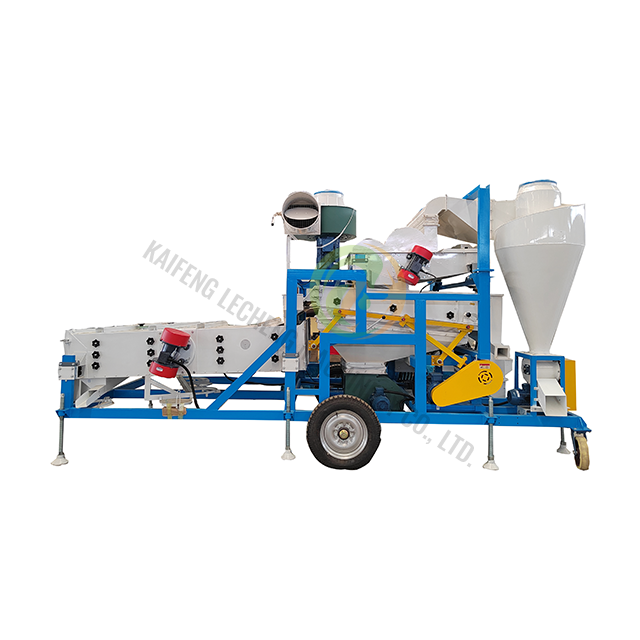
Core Applications of Mobile Grain Cleaners in the Processing Lifecycle
Operators deploy portable equipment across multiple stages of the agricultural lifecycle. A decentralized approach offers distinct advantages for quality control and revenue generation. Below are the primary ways facilities utilize these machines in the field.
On-Site Seed Production & Breeding: Cleaning seed right on the farm preserves genetic purity. You prevent cross-contamination from communal transport trucks. Transporting specialized breeding lines in shared augers often mixes unwanted varieties into your premium stock. Processing on-site eliminates this risk entirely.
Pre-Storage Conditioning: Deploying a grain cleaner system at the bin site provides immediate protection. You remove high-moisture dockage like green weed seeds and chaff before storage. This early intervention drastically reduces the risk of bin heating. You will lower spoilage rates and cut aeration costs over the winter.
Agile Crop Switching: Mobile units are highly adaptable to changing daily requirements. A plant can use the same trailer to clean large legumes like soybeans or chickpeas in the morning. Operators easily swap screens to process small cereals or specialty grasses in the afternoon. You avoid massive line-clearing operations typical in large stationary plants.
Entrepreneurial & Contract Services: This highlights the "cleaning as a service" business model. Processing plants can dispatch their mobile units to regional farms. You create a new revenue stream by offering custom cleaning services. Contractors travel bin-to-bin, upgrading grain quality for farmers who lack their own infrastructure.
Common Mistake: Failing to clean out the internal elevator boots when switching between vastly different crops. Always run a clean-out cycle to maintain purity standards between jobs.
The "All-In-One" Technology Stack: Achieving Commercial Equivalency
Commercial-grade portable units do not sacrifice precision for mobility. They integrate multi-stage separation mechanisms onto a single trailer frame. This creates an 'All-in-One' setup capable of meeting strict certification standards. We can break down the specific separation mechanisms to prove their commercial equivalency.
Width & Thickness (Air Screen/Fanning Mill): This acts as the first line of defense. The machine removes oversized debris and light dust via adjustable airflow. Vibrating screens then sort the material based on width and thickness. This step catches heavy rocks, straw, and large weed seeds.
Length (Indented Cylinders): This mechanism uses centrifugal force and specific dimple sizes. The indents grab broken kernels or wild oats and lift them out of the main crop. It separates seeds based purely on length, which screens cannot achieve.
Density (Gravity Tables): This component is crucial for upgrading overall seed quality. The deck uses vibration and upward airflow to stratify the material. It separates seeds of the exact same size but different weights. You effectively remove insect-damaged, hollow, or diseased seeds.
Visual/Defect (Optical & Color Sorters): Modern setups integrate advanced cameras on mobile chassis. They identify and reject discolored or diseased kernels in milliseconds. This optical sorting ensures the final output meets certified seed purity standards.
You find these same technologies inside massive processing hubs. The mobile grain cleaner miniaturizes the footprint without reducing the mechanical precision.
The Economic Case: ROI Justification for Plant Operators
A portable unit provides immediate and measurable financial benefits. You stop hauling raw bulk material over long distances. Bulk grain straight from the field often contains 2% to 10% dockage. Moving this waste burns expensive diesel fuel and wastes driver hours. Cleaning at the source eliminates these inbound logistics costs completely. You only transport the pure, finished product back to your central hub.
Furthermore, you capture valuable processing margins. By retaining the standard custom processing fees internally, you avoid outsourcing costs. These fees typically run between $0.50 and $1.50 per bushel. If you process 20,000 bushels annually, keeping this function in-house yields massive savings. Cleaning at the source also unlocks premium sourcing opportunities. Processing plants negotiate better rates for raw commodities directly on the farm. They upgrade marginal grain into premium, food-grade, or seed-grade products on the spot.
Consider the simplified chart below to visualize standard cost retention across a typical harvest season.
| | | Summary Chart: Immediate ROI Drivers for Mobile Cleaning Operations |
Economic Driver | Traditional Outsourced/Centralized Model | Mobile On-Site Cleaning Model | Financial Impact |
Freight & Hauling | Pay to transport 100% of bulk (incl. up to 10% waste) | Transport only 90-95% clean, usable grain | High Fuel & Labor Savings |
Processing Fees | Pay $0.50 - $1.50/bushel to third parties | Absorb cost internally (approx. $0.10 - $0.20/bushel OPEX) | Margin Retention |
Commodity Upgrading | Sell raw grain at standard elevator prices | Separate premium seed from commercial grain on the farm | Premium Pricing Secured |
Implementation Risks: Power, Dust Control, and Site Planning
Deploying a portable seed cleaner involves specific operational challenges. You must manage site logistics carefully to ensure smooth operations. Seed cleaning inherently generates highly combustible, hazardous dust. Commercial mobile units must integrate cyclone dust collectors and enclosed conveyors. This containment is non-negotiable for meeting safety and respiratory compliance in the field. Releasing massive dust clouds near dry fields poses a severe fire hazard.
Furthermore, mobile processing does not mean low power consumption. Heavy-draw components require reliable three-phase power. Plugging into local, unstable rural electrical grids often causes voltage drops and equipment failures. Operators usually rely on robust 60kW to 150kW towable diesel generators. You must size your generator to handle the startup surge of multiple heavy fans.
Material handling presents another potential bottleneck. A mobile cleaner is only as fast as its supporting equipment. You need seamless feed conveyors to keep the hopper full. Operators should choose belt conveyors rather than aggressive augers whenever possible. Belt conveyors prevent seed coat damage during high-speed loading. Finally, outdoor operations face acute weather vulnerabilities. Rain and heavy wind can disrupt gravity table airflow and expose sensitive electronics. Always prepare heavy tarps and windbreaks as contingency plans for inclement weather.
Conclusion
Mobile seed cleaning technology is no longer just a compromise for small farms; it is a strategic, scalable asset for modern grain processing fleets. These units deliver commercial-grade precision directly to the bin site. They eliminate costly logistics and reduce seed handling damage. Before making your next capital investment, audit your annual transportation costs. Assess your multi-location processing needs and target bushels-per-hour capacity. This audit helps determine whether a fixed facility upgrade or a portable system suits your operation best.
Your next step is to consult with an equipment engineer. You should configure an "All-in-One" mobile trailer customized to your specific crop rotation and throughput requirements. Ensuring your new seed cleaning equipment matches your harvest volumes will guarantee an accelerated return on investment. Ready to build your fleet? Contact us today to explore custom mobile processing layouts.
FAQ
Q: Can a mobile seed cleaner achieve the same purity as a stationary processing plant?
A: Yes, provided it is an "All-in-One" system equipped with multi-stage separation (air screens, gravity tables, and color sorters). Output routinely meets certified seed purity standards.
Q: What is the typical capacity of a commercial portable seed cleaner?
A: While highly dependent on the crop and initial dockage levels, commercial mobile units typically process between 400 and 1,500 bushels per hour.
Q: How long does it take to set up a mobile grain cleaning system on-site?
A: Modern self-contained trailers feature hydraulic lifts and integrated leveling jacks, reducing setup time to under an hour for experienced operators, compared to the months required for fixed plant commissioning.
Q: What are the power requirements for a high-capacity mobile cleaner?
A: Most commercial units require a robust 3-phase power source, typically provided by an onboard or towable diesel generator (often 60kW to 150kW+ depending on the inclusion of heavy-draw components like color sorters and multiple fans).