A harvested grain lot rarely arrives in a condition that is ready for storage, milling, or packing. It may contain dust, chaff, straw, stones, metal fragments, broken kernels, and other foreign matter at the same time. That is why a grain cleaner machine does not rely on one simple action. Grain cleaning is a step-by-step process that uses different separation methods to remove different kinds of impurities and produce cleaner, safer, and more uniform material. At Kaifeng Lecheng Machinery Co., Ltd., this practical idea is reflected in grain cleaning equipment designed for commercial grain and seed processing lines.
What grain cleaning is really removing
Light impurities and airborne material
One of the first targets in the grain cleaning process is light contamination. This includes dust, husk fragments, chaff, loose bran, and other lightweight particles that move easily with airflow. These impurities may look minor, but they affect hygiene, create dust buildup, and interfere with downstream operations such as milling, grading, and packing. They can also make storage conditions less stable. Removing light impurities early helps create a cleaner working environment and a better starting point for the next processing stages.
Large trash and heavy contaminants
Grain lots may also contain straw, sticks, pods, stones, and other dense foreign materials. Large trash can block flow and reduce machine efficiency, while heavy contaminants such as stones can damage equipment and lower product safety. These materials are especially important because they cannot all be removed in the same way. Some are separated by size, while others need density-based separation. This is one reason grain cleaning equipment is arranged as a sequence rather than a single screening pass.
Broken, weak, or off-spec kernels
Grain cleaning is not only about removing foreign objects. In many applications, the grain lot also contains broken kernels, immature grains, shriveled particles, or weak fractions that reduce final quality. For milling, seed preparation, or premium grain presentation, removing these lower-quality fractions improves consistency and helps create a more useful product stream. Good cleaning therefore improves both cleanliness and product uniformity.
The main stages in how grain is cleaned
Screening out oversized and undersized material
The first stage is usually screening. Screens and sieves separate materials by size, which makes them ideal for removing oversized debris such as straw and sticks as well as smaller unwanted particles such as fines and broken material. This step is often called grain pre-cleaning because it quickly removes the most obvious contaminants and stabilizes the grain flow before it enters later sections. Screening is the foundation of the full grain cleaning process because it reduces the load on downstream equipment and improves the condition of the feed material.
Aspiration to remove dust and light fractions
After screening, airflow is used to separate lighter impurities from the grain stream. Aspiration works well for dust, chaff, husk particles, and other light fractions that screens cannot remove effectively. This stage improves hygiene, reduces airborne contamination, and produces cleaner grain for later processing. In practical terms, aspiration is one of the most useful separation methods in grain cleaning equipment because it improves both product cleanliness and line stability.
Destoning and density-based separation
Stones create a different challenge because they are often similar in size to the grain. That is why they cannot always be removed by screening alone. Destoning uses density difference to separate heavier contaminants from the clean grain stream. This stage is important because stones can damage downstream machines and create safety concerns if they remain in the product. A good destoning section improves both equipment protection and overall cleaning quality.
Fine cleaning and grading
After the main contaminants are removed, the grain may go through fine cleaning and grading. This step removes smaller unwanted fractions and improves uniformity, especially when the grain will be used for milling, seed processing, or higher-grade finished products. Fine cleaning helps create a more consistent material stream and increases the commercial value of the final product. This is where a cleaning line shifts from basic impurity removal to quality improvement.
Impurity type | Best separation principle | Common machine |
Dust and chaff | Airflow and aspiration | Aspirator |
Straw and large debris | Size separation | Scalper or screen cleaner |
Small fines | Fine screening | Screen cleaner |
Stones and dense matter | Density difference | Destoner |
Broken or weak kernels | Size, shape, or density | Grader or separator |
Metal fragments | Magnetic separation | Magnet separator |
Why one grain cleaner machine often works with other modules
Different contaminants require different separation principles
The phrase grain cleaner machine can sound simple, but real grain cleaning usually requires more than one separation principle. Size matters for screening. Airflow matters for light impurities. Density matters for destoning. Shape, length, and even magnetic properties may also matter depending on the material. That is why commercial cleaning lines often combine multiple machines or functions. One machine may handle part of the job, but complete cleaning usually depends on a coordinated system.
Why settings change for different crops
Different crops behave differently during cleaning. Wheat, maize, rice, beans, coffee beans, and seeds do not move through screens or airflow in the same way. Their size, weight, surface character, and contamination types all vary. As a result, machine settings and cleaning combinations should match the crop being processed. This makes grain cleaning equipment more practical for users comparing applications across different materials.
What better grain cleaning changes downstream
Safer storage and better product hygiene
Cleaner grain stores better and creates fewer avoidable quality problems later. Removing dust, chaff, and loose debris helps improve hygiene and reduces the amount of unwanted material entering storage. This also makes the grain easier to handle and inspect. Good grain pre-cleaning is therefore not just about appearance. It supports more stable storage and better working conditions throughout the line.
Better milling, seed processing, and packaging performance
The benefits of cleaning continue after storage. Milling lines work more steadily when stones, fines, and trash have already been removed. Seed processing becomes easier when the input material is more uniform. Packaging also becomes smoother because cleaner grain flows more consistently and causes fewer interruptions. In this way, the grain cleaning process supports the efficiency of the whole production line, not just the first stage.
How modern grain cleaning creates business value
Cleaner grain is only the beginning
The most visible result of a better cleaning line is cleaner grain, but the business value goes further. Cleaner input means less equipment stress, fewer interruptions, and more stable downstream performance. It also makes quality control easier because the material stream is more uniform from the beginning. For commercial users, grain cleaning is not only about hygiene. It is part of building a more efficient and reliable process.
Why integrated cleaning lines make more sense for commercial users
Many commercial processors need more than one stand-alone cleaner. They need a line that combines pre-cleaning, aspiration, destoning, grading, and related modules into one practical workflow. This is where a broader product range becomes important. Kaifeng Lecheng Machinery supplies grain cleaning equipment that can be arranged into more complete systems, helping users handle different impurity types in one connected process. For growing operations, this approach makes more sense than relying on one isolated cleaning step.
Conclusion
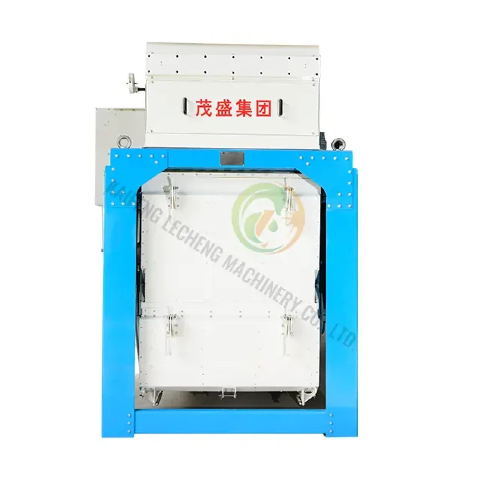
So how is grain cleaned? It is cleaned through a sequence of screening, air separation, density-based separation, and fine grading steps, each designed for a different type of impurity. A grain cleaner machine does more than improve appearance. It supports cleaner storage, steadier milling, more reliable seed processing, and smoother packing. For users who need a practical multi-stage solution, a Multi-Stage HZZD Multideck Rotary Cleaner can become an effective part of a broader cleaning system. Kaifeng Lecheng Machinery Co., Ltd. supplies grain cleaning and handling equipment for businesses that want better raw material quality and more stable downstream performance. Contact us to learn more about the right grain cleaning solution for your operation.
FAQ
What is the first step in the grain cleaning process?
The first step is usually grain pre-cleaning through screening. This removes large debris and part of the fine unwanted material so the grain enters the rest of the line in a more stable condition.
Why is aspiration important in grain cleaning equipment?
Aspiration removes dust, chaff, light husk particles, and other light impurities that screens alone cannot separate well. It helps improve hygiene and prepares the grain for later processing.
Can one grain cleaner machine remove every type of impurity?
Usually no. Different impurities require different separation methods such as screening, airflow, density separation, and sometimes magnetic removal. That is why commercial cleaning often uses several linked functions.
Why does better grain cleaning improve milling and packaging?
Cleaner grain reduces the amount of dust, stones, and weak material entering downstream equipment. This helps milling, seed processing, and packing run more smoothly and consistently.


