For commercial seed producers and agricultural enterprises, raw harvested material differs vastly from certified, high-yield seed. The exact difference lies in processing quality. Harvests arrive from the fields full of debris, weed seeds, and damaged kernels. Left untreated, these impurities compromise everything.
Variations in seed size, density, and purity directly impact the Pure Live Seed (PLS) index. This critical metric ultimately dictates market price, strict regulatory compliance, and your crop yield potential. Buyers demand high PLS scores constantly. You simply cannot afford to sell substandard lots.
Our goal is to bridge the gap between technical processing principles and commercial equipment evaluation. You will learn how to map physical seed traits to specific sorting machines. We will also show you how to intelligently structure your investment in a modern facility.
Key Takeaways
A commercial seed processing plant relies on sequential, physics-based separation to remove inert matter, weeds, and defective seeds.
Equipment selection must map directly to crop-specific physical traits (size, density, shape, and color).
Advanced grading and coating treatments significantly reduce downstream storage and transport costs while enabling precise mechanical sowing.
Evaluating a turnkey seed plant requires looking beyond rated capacity (TPH) to assess flow design, cross-contamination controls, and software traceability.
The Business Case: Translating Processing Efficacy into Commercial Value
Raw seed lots arrive from the field containing highly heterogeneous materials. You will often find chaff, weed seeds, and diseased or immature kernels mixed inside. These impurities cause severe cross-contamination. They also drastically lower overall germination rates across the board. Processing solves this fundamental problem effectively.
Every high-performing seed processing plant focuses relentlessly on the PLS standard. The USDA recognizes Pure Live Seed (PLS) as the ultimate quality metric. The formula is straightforward: PLS = (Percent Purity × Percent Germination) / 100. Processing directly improves both variables simultaneously. A higher PLS justifies premium pricing in highly competitive agricultural markets. Buyers gladly pay more for guaranteed germination.
When you sell seeds based on pure live weight, every percentage point of purity matters. A lot with 98% purity and 95% germination yields a PLS of 93.1%. Dropping just two points in purity slashes your final selling price. Therefore, processing is not a cost center. It is a direct revenue generator.
Effective sorting also brings immediate cost reductions. Early processing removes 10% to 15% of inert matter and undersized seeds. This reduces bulk volume immediately before storage begins. You directly lower subsequent storage space requirements. It also cuts down climate-control expenses and logistics costs. Less wasted volume means higher operational efficiency. Removing trash early stops you from paying to store and cool worthless dirt.
Anatomy of a High-Yield Seed Cleaning Line
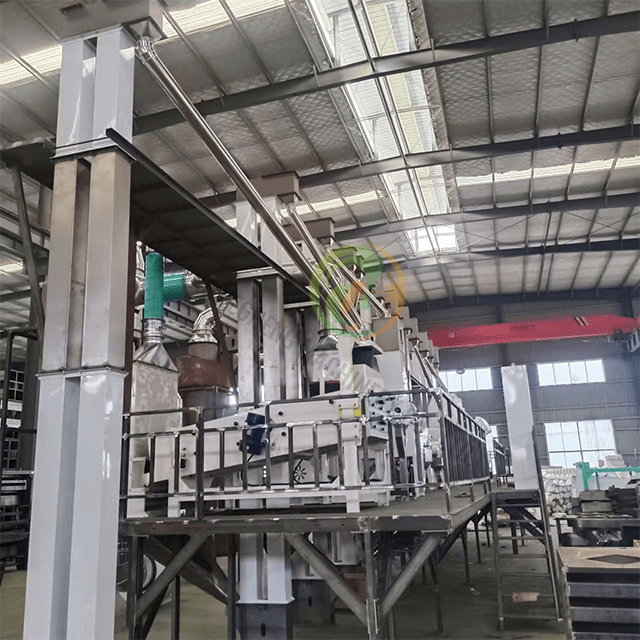
Modern systems do much more than just clean bulk crops. They separate materials based on highly specific physical differences. A comprehensive seed cleaning line utilizes sequential logic. Each stage targets a uniquely different physical property.
Stage 1 tackles pre-cleaning and aerodynamics thoroughly. The main targets are bulk trash, dust, and straw. Air screen cleaners handle this heavy lifting efficiently. They use strong aspiration and foundational sieve sizing. Aspiration systems pull lightweight chaff upward. Meanwhile, vibrating screens sift out oversized stones and undersized broken kernels. This removes large debris before it damages downstream machines.
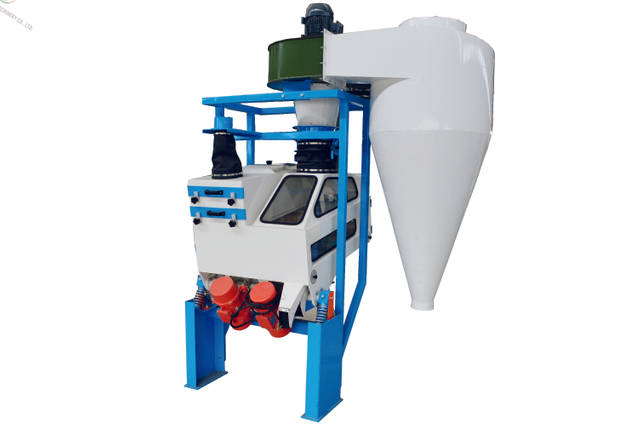
Stage 2 introduces precision density separation. The targets here are immature, insect-damaged, or diseased seeds. These defective seeds often share the exact dimensions of perfectly healthy seeds. However, they lack the necessary internal density. Specific gravity separators fix this hidden issue. A specific gravity separator acts like a fluidized bed. Air blows upward through a porous deck. The deck shakes rapidly. Heavy, viable seeds climb the uphill slope. Light, dead seeds drift downhill. This mechanical marvel single-handedly rescues marginal seed lots. It remains the most critical stage for improving overall seed vigor.
Stage 3 focuses on advanced shape and color sorting. The targets are discolored, mutated, or noxious weed seeds. They might share the exact same size and weight as good seeds. We use indented cylinders to separate materials strictly by length. Indented cylinders catch short seeds in tiny pockets while long seeds spill over. Spiral separators isolate seeds based on roundness and rolling ability. Finally, optical color sorters use AI and high-speed cameras. They identify and eject discolored items in milliseconds.
Modern agricultural practices demand perfect field uniformity. Pneumatic and vacuum planters require exact dimensions to function properly. Without high uniformity, planters suffer from constant skips or double-planting errors. A precise seed grading machine ensures lots are sorted by strict dimensional tolerances. This precise sorting guarantees that every kernel fits the planter plates perfectly.
Precision dimensional grading does more than fix planter issues. It ensures uniform germination timing in the field. When seeds share the exact same size, they absorb soil moisture at the exact same rate. This leads to simultaneous sprouting. Simultaneous sprouting guarantees an even canopy, which naturally suppresses weeds and maximizes sunlight capture.
Once sorted, seeds move into highly specialized value-add enhancement stages. These critical treatments dramatically improve actual field performance.
| | Seed Enhancement Techniques Summary |
Enhancement Type | Process Description | Primary Benefit |
Coating and Pelleting | Transforms small/irregular seeds into uniform pellets. | Enables seamless mechanical sowing for vegetables. |
Chemical Treatments | Applies precise doses of fungicides or insecticides. | Protects against aggressive soil-borne pathogens. |
Seed Priming | Controlled hydration to trigger pre-germination. | Enhances stress tolerance and emergence speed. |
Coating and pelleting are vital for irregularly shaped vegetables. They transform tiny fragments into heavy, uniform pellets. You might use thin filmcoats for slight adjustments. Alternatively, heavier encrustments make tiny seeds perfectly suitable for vacuum planters.
Treatments apply extremely precise chemical doses safely. Fungicides and insecticides coat the seed surface securely. This protects vulnerable seedlings against soil-borne pathogens early on. It reduces the need for broad-field chemical applications later during the season.
Priming involves highly controlled hydration protocols. It triggers uniform pre-germination but stops right before sprouting occurs. This significantly enhances stress tolerance during difficult or cold planting seasons.
Customizing the Seed Processing System by Crop Type
Buyers must actively avoid the "one-size-fits-all" trap. Equipment requirements vary drastically based on your raw harvest material. A generic setup will simply fail. A highly tailored seed processing system maximizes your final yield.
Specific crops demand distinct handling techniques:
Dry-Seeded Crops (Cereals, Pulses, Wheat): These require aggressive handling. They usually arrive with massive volumes of field debris. You must focus heavily on heavy-duty destoning equipment. Air-screen throughput and gravity separation are absolutely paramount here. Rocks and heavy dirt clods must be removed immediately. De-awners are often necessary to clip off rough appendages before screening.
Wet-Seeded Crops (Tomatoes, Cucumbers): These pose unique challenges. They require specialized frontend extraction steps. You must perform wet extraction and fermentation first. Mucilage removal and careful, low-heat drying are mandatory. Only then can they safely enter standard cleaning lines.
Oilseeds (Soybeans, Sunflower): These need extremely gentle handling. You must use slow bucket elevators instead of aggressive augers. Fast augers cause severe hull cracking and product degradation. Specialized pre-cleaning protects downstream expellers from abrasive damage caused by field stones.
Quality Assurance, HACCP, and Compliance Standards
Modern facilities treat processing as strict food-grade manufacturing. Risk management is absolutely essential today. You must integrate Hazard Analysis and Critical Control Points (HACCP) into your facility. This systematically prevents catastrophic batch failures.
Integrating HACCP means identifying every point where quality could degrade. Common critical control points include the drying bins and the gravity tables. If a screen tears, broken seeds bypass the filter entirely. Your monitoring procedures must catch this instantly.
Cross-contamination prevention protects your overall crop integrity. Switching between different seed varieties poses massive risks. Handling certified organic lots requires even stricter physical controls. Standard sweeping is never enough. Organic certifications require documented clean-down validations. Operators must open inspection doors, blow out internal ledges using compressed air, and verify the absence of foreign genetics. You must utilize equipment featuring easy clean-down protocols. Look for self-cleaning screens and fully accessible drop-bottom conveyors.
Digital traceability connects physical machines directly to business software. Tie your processing hardware directly into your ERP. Seed Management Software provides vital real-time inventory tracking. You can monitor batch lots continuously from intake to shipping. Automated QA dispatching ensures every single bag meets strict compliance standards.
Buyer’s Framework: Evaluating Turnkey Seed Plant Providers
Purchasing a complete facility requires careful vendor evaluation. Do not just look at rated capacity (TPH) numbers. Assess whether the vendor offers a fully custom-engineered process flow. Stacking high-capacity machines blindly is a major financial mistake. Poor flow design inevitably leads to severe bottlenecks and excessive equipment wear.
When reviewing flow diagrams, trace the bypass lines. Can you route seeds around the optical sorter if they do not need it? Flexible routing saves electricity and reduces mechanical damage. Rigid, linear flows force every seed through every machine, wasting immense energy. A true turnkey seed plant relies entirely on harmonious internal flow.
Integration and automation truly define modern plant capabilities. Look for centralized PLC (Programmable Logic Controller) systems. Automated moisture control is absolutely non-negotiable for safe storage. Predictive maintenance sensors prevent catastrophic mechanical downtime during peak seasons.
Implementation realities determine your long-term success. Evaluate vendors based on these three core pillars:
Dust Extraction: This is essential for baseline worker safety. It actively prevents explosive hazards inside the plant. It also drastically extends overall machine longevity.
Installation and Commissioning: Always evaluate their historical track record with on-site calibration. Fine-tuning gravity separators and optical sorters requires highly specialized engineering expertise.
Aftermarket Support: You must ensure rapid local availability of replacement screens and drive belts. Access to skilled local technician support is vital during harvest.
Conclusion
Upgrading your seed processing equipment is a fundamental business transition. You move away from basic agricultural sorting toward actual precision manufacturing. Better equipment yields higher lot purity and much stronger market positioning. Do not view your plant as a static asset. View it as a dynamic tool for capturing premium market tiers.
Seed producers must take immediate action. First, thoroughly audit your current physical reject rates. Next, calculate your potential financial PLS uplift accurately. Finally, engage directly with turnkey integrators today. Request customized flow diagrams and robust ROI models based strictly on your specific crop mix.
FAQ
Q: What is the difference between a seed cleaning line and a complete processing plant?
A: A cleaning line focuses purely on basic debris removal using screens and air. A complete plant represents a comprehensive system. It includes advanced grading, chemical treating, automated packing, and digital traceability to ensure certified market readiness.
Q: How does a gravity separator improve germination rates?
A: It uses a fluidization principle on a vibrating deck. Air pushes through the deck, lifting lighter, non-viable seeds. Heavy, healthy seeds travel upward. This discards immature or insect-damaged kernels that regular screens cannot catch, directly boosting batch vigor.
Q: What should I look for when upgrading to automated seed processing equipment?
A: Emphasize self-cleaning mechanisms to prevent cross-contamination. Ensure deep PLC integration for centralized monitoring. Always prioritize a scalable flow design. This ensures your facility can easily accommodate future capacity expansions without costly bottlenecks.