Introduction
When it comes to farming, the quality of seeds can significantly impact the crop yield. Seed cleaning is a vital process to ensure that only the best seeds are planted. With modern farming practices, an efficiency seed cleaner plays a crucial role in improving seed purity, germination rates, and crop productivity. In this ultimate guide, we will explore how to choose the right high-efficiency seed cleaner for grain, covering key factors, benefits, and practical tips for optimal seed cleaning.
1. What is a High-Efficiency Seed Cleaner?
1.1 Definition and Key Features
A high-efficiency seed cleaner is a machine designed to remove impurities like dust, dirt, broken seeds, and foreign particles from grains. The cleaner uses various technologies like air flow, sieves, and vibration to ensure that only the best quality seeds remain for planting. These machines are designed to handle large volumes of seeds, making them ideal for large-scale operations.
The key features of an efficiency seed cleaner include:
● Multiple screen options to filter seeds by size and shape.
● Adjustable air flow to separate light contaminants from heavier seeds.
● Vibration mechanisms to ensure even distribution and cleaning efficiency.
1.2 Types of High-Efficiency Seed Cleaners
There are several types of high-efficiency seed cleaners available, including:
● Air Screen Cleaners: These use controlled air flows to separate lighter impurities from seeds.
● Gravity Separators: These machines use the difference in weight between the seed and contaminants to sort them.
● Vibratory Cleaners: These cleaners utilize vibrations to separate seeds based on size and shape.
Each type has its specific advantages depending on the grain type and level of impurities.
1.3 The Importance of Choosing the Right Model
Choosing the right high-efficiency seed cleaner is essential for maximizing productivity and ensuring seed quality. A poorly selected model can lead to incomplete impurity removal, which can negatively affect crop growth. Factors like seed type, volume, and impurity level should all be considered to ensure the cleaner fits your specific needs.
2. Key Factors to Consider When Choosing a High-Efficiency Seed Cleaner
2.1 Cleaning Capacity and Efficiency
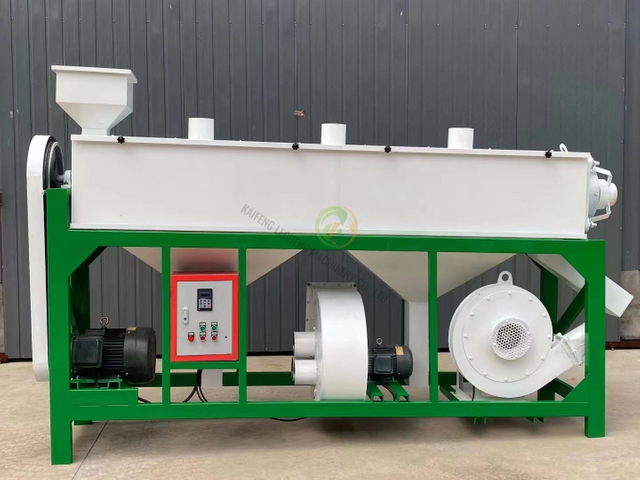
The cleaning capacity of an efficiency seed cleaner is one of the most important factors to consider. This refers to how much seed the machine can clean within a given time frame. Larger farms with high seed volumes require machines with higher throughput. Efficiency is also key—look for machines that clean a large volume quickly without compromising on the quality of the seeds.
2.2 Versatility and Adaptability
Versatility is important because different types of grains may require different cleaning processes. A versatile seed cleaner can be adjusted to handle various grains, such as wheat, barley, oats, and more. An adaptable cleaner ensures that you can process various seed sizes and types, optimizing cleaning efficiency across different batches.
2.3 Durability and Maintenance
Investing in a durable efficiency seed cleaner can save you money in the long run. High-quality machines require less frequent repairs and offer consistent performance. Moreover, regular maintenance is crucial to keep the machine running efficiently. Choose a model that is easy to maintain, with accessible parts and clear maintenance guidelines.
3. Benefits of Using a High-Efficiency Seed Cleaner
Benefit | Description | Impact on Seed Quality |
Increased Seed Purity | Removes dirt, broken seeds, and foreign particles | Results in cleaner, healthier seeds, promoting better crop yields. |
Higher Germination Rates | Cleaner seeds have higher potential for successful sprouting | Leads to stronger crops and improved plant growth. |
Time and Cost Savings | Automates the cleaning process, reducing labor and time needed | Increases operational efficiency and reduces manual labor costs. |
Consistent Cleaning Efficiency | Provides uniform cleaning results for large volumes of seeds | Ensures that all seeds are equally clean, improving overall crop consistency. |
3.1 Increased Seed Purity and Quality
A high-efficiency seed cleaner removes unwanted contaminants such as dirt, broken seeds, and foreign materials, resulting in purer seeds. The cleaner the seeds, the better their chances of germination and successful crop production. High seed purity directly impacts the overall quality of the harvest, as it reduces the chance of diseases and other growth issues.
3.2 Improved Germination Rates
Cleaner seeds have higher germination rates, meaning more seeds will sprout and grow into healthy plants. A high-efficiency seed cleaner ensures that seeds free from contaminants are sown, leading to better yields and healthier crops.
3.3 Time and Cost Savings
By automating the cleaning process, efficiency seed cleaners save both time and labor costs. Traditional seed cleaning methods, such as manual sorting or using basic sieves, are time-consuming and often less effective. High-efficiency seed cleaners streamline the process, allowing farmers to clean larger batches of seeds quickly and accurately.
4. Comparing High-Efficiency Seed Cleaners
4.1 Traditional Seed Cleaning Methods vs. High-Efficiency Machines
Traditional seed cleaning methods, like hand sorting and using simple sieves, are labor-intensive and prone to human error. In contrast, high-efficiency seed cleaners provide automation, precision, and faster processing, making them far more efficient. They ensure consistent results, reducing the likelihood of impurities being left in the seeds.
Feature | Traditional Methods | High-Efficiency Seed Cleaner |
Cleaning Speed | Slow, labor-intensive | Fast, automated processing |
Consistency | Variable, subject to human error | Consistent, precise results |
Labor Requirements | High | Low, automated |
Impurity Removal Efficiency | Limited | High, thorough cleaning |
4.2 Cost-Effectiveness of High-Efficiency Seed Cleaners
While high-efficiency seed cleaners require an initial investment, they are cost-effective in the long term. These machines help reduce labor costs, improve cleaning efficiency, and increase seed yield. By automating the cleaning process, farmers can focus on other important aspects of their operation, which ultimately leads to greater profitability.
5. How to Optimize Your Seed Cleaning Process
5.1 Proper Calibration and Settings
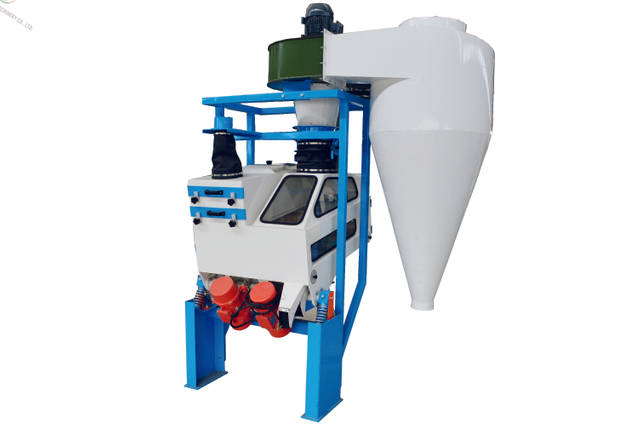
To get the most out of an efficiency seed cleaner, proper calibration is crucial. Adjust settings like air flow, vibration levels, and screen sizes based on the type of grain being cleaned. Calibration ensures that the machine performs optimally, achieving the best impurity removal without damaging the seeds.
5.2 Regular Maintenance and Troubleshooting
Regular maintenance is essential to keep your seed cleaner running smoothly. Check components such as the screens, air systems, and vibration mechanisms to ensure they are functioning correctly. Troubleshoot any issues, such as clogging or inconsistent cleaning, promptly to avoid downtime.
5.3 Combining Seed Cleaners with Other Equipment
For optimal seed processing, consider integrating your efficiency seed cleaner with other equipment, such as seed drying machines or gravity separators. Combining multiple machines in your processing line can further streamline operations and improve seed quality.
6. Technological Advancements in Seed Cleaning
6.1 Automation and Smart Features
Many modern efficiency seed cleaners now come equipped with smart features and automation. These features allow for real-time monitoring of the cleaning process, ensuring consistent results and allowing operators to make adjustments remotely. Automation increases cleaning speed while reducing human error.
6.2 Integration with IoT and Data Analytics
Some high-efficiency seed cleaners are now integrated with IoT technology, enabling remote monitoring and data collection. This allows farmers to track machine performance, analyze efficiency, and make data-driven decisions for continuous improvement in seed cleaning operations.
7. Choosing the Right Brand and Model for Your Farm
7.1 Top Brands in High-Efficiency Seed Cleaning
There are several reputable brands that specialize in high-efficiency seed cleaners. Look for brands known for their quality, reliability, and customer support. Research customer reviews and testimonials to gauge the reputation of the brand.
7.2 Customer Reviews and Feedback
When selecting a seed cleaner, it’s helpful to review feedback from other farmers who have used the equipment. Customer reviews can provide valuable insights into the machine's performance, ease of use, and long-term reliability.
8. Environmental Impact and Sustainability
8.1 Eco-Friendly Seed Cleaning Solutions
High-efficiency seed cleaners are often designed with environmental sustainability in mind. Many machines are energy-efficient, helping to reduce the overall carbon footprint of seed cleaning operations. Additionally, these machines typically reduce the need for harmful chemical treatments, making them more eco-friendly.
8.2 Reducing Waste and Improving Sustainability
By efficiently removing impurities, efficiency seed cleaners help reduce waste. Cleaner seeds mean fewer chemicals and pesticides are needed, supporting sustainable farming practices that benefit both the environment and crop production.
Conclusion
Choosing the right efficiency seed cleaner ensures better seed quality, improved germination, and higher crop yields. High-efficiency seed cleaners save time, reduce labor costs, and improve productivity. Companies like Kaifeng Lecheng Machinery Co., Ltd. offer advanced seed cleaning machines that help farmers streamline operations and achieve optimal seed quality, contributing to greater profitability and sustainable farming.
FAQ
Q: What is an efficiency seed cleaner?
A: An efficiency seed cleaner is a machine designed to remove impurities like dust, dirt, and broken seeds from grains, ensuring only clean, high-quality seeds are used for planting.
Q: How does an efficiency seed cleaner improve seed quality?
A: An efficiency seed cleaner removes contaminants that could affect seed germination and growth, leading to higher-quality seeds and better crop yields.
Q: Why should I invest in an efficiency seed cleaner?
A: Investing in an efficiency seed cleaner saves time, reduces labor costs, improves seed purity, and enhances overall farm productivity.
Q: How do I maintain an efficiency seed cleaner?
A: Regular maintenance includes cleaning the screens, checking airflow systems, and ensuring proper calibration to keep your efficiency seed cleaner working at its best.
Q: What factors should I consider when choosing an efficiency seed cleaner?
A: Consider the cleaning capacity, versatility, maintenance needs, and energy efficiency of the efficiency seed cleaner to ensure it meets your farm’s needs.


