The importance of seed cleaning in modern agriculture cannot be overstated. Whether you’re a small-scale farmer or part of a larger agricultural operation, cleaning seeds is essential for maintaining high-quality crops. Mobile seed cleaning machines have emerged as a revolutionary solution, offering flexibility, cost savings, and improved seed quality. This comprehensive guide will explore everything you need to know about mobile seed cleaning machines, from their features to their applications, maintenance, and how to choose the right one for your needs.
1. What is a Mobile Seed Cleaning Machine?
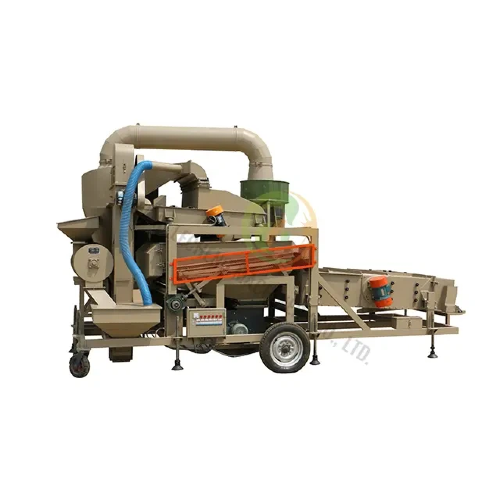
A mobile seed cleaning machine is a portable, self-contained piece of equipment used to clean seeds directly at the harvest site. These machines are designed to separate seeds from impurities such as dirt, dust, broken grains, and other foreign matter. By cleaning seeds on-site, these machines save time and transportation costs that would otherwise be incurred by taking seeds to a central processing facility.
Mobile seed cleaners combine several technologies, including air-screen cleaning, vibratory separation, and gravity separation, making them versatile enough to handle various seed types and cleaning needs. Their mobility allows them to be transported between fields and farms, ensuring farmers can quickly clean their seeds without the need for costly external services.
Importance of Seed Cleaning
Seed cleaning is crucial for several reasons:
Improved Germination Rates: Clean seeds have a better chance of germinating and growing into healthy crops.
Reduced Risk of Disease: Contaminants and pathogens present in unclean seeds can lead to crop diseases, reducing yields.
Enhanced Crop Yield: Higher-quality seeds result in healthier plants and better yields.
Cost Savings: By cleaning seeds on-site, farmers can reduce transportation and external processing costs, making the process more cost-effective.
Mobile seed cleaning machines play a vital role in helping farmers maintain seed quality while reducing costs.
2. Key Features of Mobile Seed Cleaning Machines
Mobile seed cleaning machines are built with several key features that make them efficient and suitable for various agricultural operations. Let’s take a closer look at these features:
Portability
One of the most significant advantages of a mobile seed cleaning machine is its portability. These machines are designed to be compact and easy to transport, allowing farmers to move them between fields or different locations on the farm. This portability enables farmers to clean seeds immediately after harvesting, saving time and reducing the need for transportation to external processing plants.
Feature | Description |
Portability | Easily moved between fields or farm locations |
Compact Design | Space-saving and easy to store when not in use |
Quick Setup | Set up in a short amount of time, maximizing cleaning efficiency |
Multi-Functionality
A mobile seed cleaning machine typically incorporates several cleaning technologies:
Air-Screen Cleaning: Air is used to remove lighter contaminants such as dust, chaff, and husks.
Vibratory Separation: Vibrations help separate seeds based on size and shape.
Gravity Separation: This method sorts seeds based on their density, ensuring that only the healthiest seeds are selected.
These functions can be customized based on the type of seed being cleaned, making the machine versatile enough to handle different grains, vegetables, and legumes.
Cleaning Method | Function |
Air-Screen Cleaning | Removes lightweight contaminants like dust and chaff |
Vibratory Separation | Sorts seeds based on size and shape |
Gravity Separation | Separates seeds by weight, ensuring quality seeds are selected |
Compact and Efficient Design
Mobile seed cleaning machines are designed to be both compact and efficient. Their compact size allows them to be used in tight spaces and transported easily, while the efficient cleaning mechanisms ensure that seeds are cleaned quickly and thoroughly. These machines are also energy-efficient, reducing operating costs and minimizing environmental impact.
3. How Mobile Seed Cleaning Machines Work
Understanding how a mobile seed cleaning machine works is essential to ensuring optimal operation. Let’s break down the cleaning mechanisms:
Cleaning Mechanisms Explained
Air-Screen Cleaning
This cleaning method uses a powerful stream of air to separate lighter materials like dust, husks, and broken seeds from the clean seeds. Air-screen cleaning is highly effective for cleaning small seeds and removing dust that could affect germination rates.
Vibratory Separation
Vibratory separation uses vibrations to sort seeds by their size and shape. This mechanism works by shaking the seeds through a mesh, with smaller seeds falling through the openings while larger ones remain on the screen. It’s particularly effective for cleaning seeds of various shapes and sizes.
Gravity Separation
Gravity separation relies on the difference in density between seeds and contaminants. Heavier, high-quality seeds fall to the bottom, while lighter particles are separated at the top. This method ensures that only the best seeds are selected, improving seed quality and reducing the risk of planting poor-quality seeds.
Method | Description |
Air-Screen Cleaning | Removes light contaminants such as dust and husks |
Vibratory Separation | Sorts seeds based on their size and shape |
Gravity Separation | Sorts seeds based on their density, selecting the best seeds |
Adjusting Settings for Different Seed Types
Mobile seed cleaning machines allow for customizable settings based on the type of seed being cleaned. For example:
By adjusting these settings, the machine can effectively clean a variety of seed types, from wheat to soybeans, ensuring high-quality results every time.
4. Advantages of Using a Mobile Seed Cleaning Machine
Cost-Effectiveness
One of the primary benefits of mobile seed cleaning machines is their cost-effectiveness. By cleaning seeds on-site, farmers save on transportation costs and external processing fees. Additionally, mobile machines often have a lower initial investment compared to larger, stationary grain cleaners, making them an affordable option for small- to medium-sized farms.
Improved Seed Quality
Cleaning seeds immediately after harvest ensures that they are free from dust, broken pieces, and other contaminants, leading to higher-quality seeds. Clean seeds have better germination rates and are less likely to carry diseases. This improves crop yield and helps farmers maintain healthy plants.
Flexibility and Time Efficiency
Mobile seed cleaning machines offer unparalleled flexibility. Farmers can clean seeds directly in the field, without needing to wait for transportation to a processing plant. This time efficiency ensures that seeds are ready for planting sooner, allowing farmers to optimize their crop cycles.
Benefit | Description |
Cost-Effectiveness | Reduces transportation and external processing costs |
Improved Seed Quality | Ensures higher germination rates and healthier plants |
Flexibility and Time Efficiency | Offers on-site cleaning, reducing waiting time |
5. Applications of Mobile Seed Cleaning Machines
Farm-Based Applications
Mobile seed cleaning machines are perfect for farm-based applications, particularly in smaller operations where flexibility is key. They allow farmers to clean seeds immediately after harvest, ensuring maximum seed quality and reducing the time it takes to prepare seeds for planting.
Agribusiness and Processing
In agribusiness, mobile seed cleaners are useful for decentralizing seed processing. This approach reduces the need for central processing plants, giving businesses the ability to clean seeds efficiently at various locations. It’s particularly beneficial for regions with limited access to centralized seed cleaning facilities.
Customizing for Local Conditions
Mobile seed cleaning machines can be customized for different environmental conditions. For example, seed moisture levels, humidity, and temperature can all impact the cleaning process. These machines can be adjusted to ensure optimal performance under varying weather conditions, making them suitable for different climates and farming regions.
6. Maintenance and Durability of Mobile Seed Cleaning Machines
Routine Maintenance
Routine maintenance is essential for ensuring the longevity and efficiency of mobile seed cleaning machines. Key tasks include:
Cleaning the Screens: After each use, clean the air screens and vibratory parts to remove dust and seeds that may have accumulated.
Lubrication: Regular lubrication of moving parts, such as motors and gears, is essential to reduce friction and prevent wear.
Electrical Checks: Periodically inspect the electrical system for faults, ensuring that the machine operates smoothly.
Longevity and Durability
Mobile seed cleaning machines are built to last, with durable components designed to withstand the rigors of agricultural environments. By following a regular maintenance schedule, farmers can extend the life of their machine and ensure consistent performance year after year.
Troubleshooting Common Issues
Even with routine maintenance, occasional issues may arise. Common problems include clogged screens, uneven vibrations, and poor airflow. To resolve these, it’s important to clean the machine thoroughly, check for obstructions, and adjust the settings to ensure the machine is operating as efficiently as possible.
7. How to Choose the Right Mobile Seed Cleaning Machine
Factors to Consider
When choosing a mobile seed cleaning machine, consider the following factors:
Seed Type: Ensure the machine can handle the types of seeds you plan to clean (e.g., wheat, corn, soybeans).
Capacity: Match the machine’s capacity with the volume of seeds you handle.
Power Source: Choose between fuel-powered or electric models based on your operational needs.
Choosing the Right Model
It’s important to select a machine with adjustable settings that can be customized to the seed types you are processing. Additionally, consider the machine’s mobility, durability, and cost to ensure it meets your specific farming requirements.
Selecting a Reliable Supplier
When selecting a mobile seed cleaning machine, consider factors such as:
Product Quality: Choose machines that are made from high-quality materials and designed for long-term use.
After-Sales Support: A reliable supplier should offer customer service, maintenance support, and easy access to replacement parts.
Warranty: Look for machines that come with a warranty to ensure peace of mind.
8. Conclusion
Mobile seed cleaning machines provide a flexible, cost-effective solution for farmers aiming to enhance seed quality while saving both time and money. These machines are particularly suited for small- to medium-sized farms and agribusinesses that require efficient, on-site seed cleaning. By using a mobile seed cleaning machine, farmers can clean their seeds directly at the harvest site, maintaining high seed quality, improving crop yields, and reducing transportation costs.
At Kaifeng Lecheng Machinery Co., Ltd., we offer a range of high-quality mobile seed cleaning machines designed to meet the specific needs of your farming operation. Whether you are a small farm looking to streamline your seed cleaning process or an agribusiness seeking to improve operational efficiency, we have the right equipment for you. Our machines are built to be durable, reliable, and easy to use, ensuring that you can achieve optimal results with minimal effort.
We invite you to contact us to learn more about our mobile seed cleaning solutions and how they can enhance your agricultural operations. Our team is ready to assist you in selecting the best machine for your needs, helping you save costs and improve productivity in the long run.
9. FAQ
1. What types of seeds can be cleaned using a mobile seed cleaning machine?
Mobile seed cleaning machines are designed to handle a wide variety of seeds, including wheat, corn, rice, soybeans, and more. Adjustments can be made to accommodate different seed types for optimal cleaning.
2. How does a mobile seed cleaning machine improve seed quality?
By using air-screen cleaning, vibratory separation, and gravity separation, these machines remove impurities such as dust, chaff, and broken seeds, leading to cleaner, higher-quality seeds with better germination rates.
3. Are mobile seed cleaning machines cost-effective?
Yes, mobile seed cleaning machines are cost-effective because they eliminate transportation costs by cleaning seeds on-site. They are also more affordable than larger stationary grain cleaners, making them an excellent choice for smaller farms.
4. How much maintenance does a mobile seed cleaning machine require?
Regular maintenance is required to ensure the longevity of the machine. This includes cleaning screens, lubricating moving parts, and performing electrical checks. Routine maintenance ensures the machine runs efficiently and extends its lifespan.
5. Can a mobile seed cleaning machine handle large volumes of seeds?
While mobile seed cleaning machines are ideal for smaller to medium-scale operations, they can still handle significant volumes of seed. For very high-volume processing, a larger, stationary grain cleaning machine may be more suitable.


