In the modern agricultural landscape, the need for efficient seed and grain cleaning machines has never been more critical. As farmers and agribusinesses strive to improve efficiency and reduce costs, understanding the differences between a mobile seed cleaning machine and a grain cleaning machine becomes essential. Each machine has its unique design, application, and suitability for different farming operations. In this article, we will explore the key differences between these two types of machinery and help you determine which one best suits your needs.
1. Introduction to Mobile Seed Cleaner and Grain Cleaner
Seed and grain cleaning machines are designed to remove impurities such as dust, chaff, broken grains, and other unwanted particles from harvested seeds or grains. Clean seeds are essential for high-quality crops, optimal germination rates, and better yields. With increasing demand for high-efficiency agricultural equipment, these machines play a crucial role in modern farming.
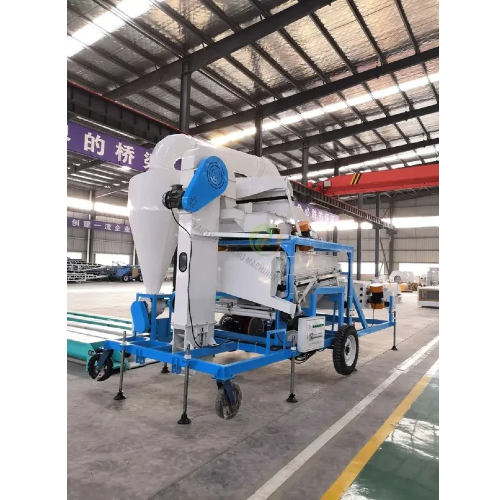
A mobile seed cleaning machine is designed for on-site cleaning at the harvest location, offering portability and flexibility. These machines can be moved around the farm, providing convenience and efficiency for small- to medium-sized operations.
On the other hand, a grain cleaning machine is typically used in large-scale processing plants or centralized locations where high volumes of grain need to be cleaned quickly and efficiently. Unlike the mobile version, grain cleaners are stationary and generally have a higher processing capacity.
Why It’s Important to Understand Their Differences
The decision between a mobile seed cleaning machine and a grain cleaning machine depends on the scale of your farming operation, your seed or grain cleaning needs, and your operational budget. Understanding their design and applications can help you make an informed choice that enhances both efficiency and cost-effectiveness.
2. Key Design Differences between Mobile Seed Cleaner and Grain Cleaner
Understanding the design differences between these two types of cleaning machines is crucial to selecting the right equipment for your needs. Here are the main distinctions:
Portability and Mobility
Mobile Seed Cleaning Machine: As the name suggests, these machines are designed to be easily transported between locations. They are typically smaller in size, lightweight, and mounted on wheels, allowing farmers to move the machine directly to the field or harvest site. This mobility makes it ideal for operations that require on-site cleaning of seeds after harvest, avoiding the need for transportation to centralized processing plants.
Grain Cleaner Machine: These machines are generally stationary and are designed for large-scale commercial operations. They are typically larger and require a fixed installation with a constant power supply. While they may offer higher capacity, grain cleaners lack the flexibility of being moved between fields or farms.
Feature | Mobile Seed Cleaning Machine | Grain Cleaning Machine |
Portability | High portability; designed for on-site, field-based cleaning | Stationary; fixed at one location for large-scale cleaning |
Mobility | Easy to move across fields and farms | Cannot be moved; fixed installation |
Suitability | Ideal for small to medium-sized farms and localized operations | Best for large-scale, centralized grain processing |
Size and Capacity
Mobile Seed Cleaning Machine: These machines are compact and have lower capacity compared to stationary grain cleaners. Their size allows them to be used in a variety of environments, from small farms to larger, more decentralized agricultural operations. While they can process a range of seed types, the capacity is typically suited for on-site, smaller-scale processing.
Grain Cleaner Machine: Grain cleaners are much larger and are designed to handle high volumes of grain, making them suitable for large-scale operations. They can process hundreds or even thousands of tons of grain per day, making them a staple in large-scale grain processing plants.
Feature | Mobile Seed Cleaning Machine | Grain Cleaning Machine |
Size | Compact, designed for flexibility and portability | Larger, stationary, suited for high-volume processing |
Capacity | Lower capacity, suitable for small to medium operations | High capacity, ideal for large-scale grain processing |
Cleaning Mechanisms
Mobile Seed Cleaning Machine: These machines incorporate multiple cleaning methods, such as air-screen cleaning, vibratory separation, and gravity separation. Air-screen cleaning uses airflow to remove light contaminants like dust, chaff, and husks. Vibratory separators use vibration to sort seeds based on size and shape, while gravity separation sorts them by weight, ensuring that only the healthiest seeds are selected for planting.
Grain Cleaner Machine: Grain cleaners typically rely on air and vibratory screens for cleaning. They are often more automated and can incorporate additional cleaning techniques like polishing, scalping, and separation by specific gravity. However, they are usually more complex and designed for mass processing, handling high volumes of grain quickly.
Feature | Mobile Seed Cleaning Machine | Grain Cleaning Machine |
Cleaning Methods | Air-screen cleaning, vibratory separation, gravity separation | Air-screen cleaning, vibratory separation, and additional methods like polishing |
Customization | Adjustable settings for different seed types and sizes | Primarily designed for specific grain types, with fewer customizable settings |
Power Source
Mobile Seed Cleaning Machine: These machines are designed for flexibility and can be powered by either electricity, fuel, or a combination of both, depending on the specific model. This versatility allows them to operate in various environments, including remote locations without access to electricity.
Grain Cleaner Machine: Grain cleaners are typically powered by electricity and require a stable power supply. These machines are fixed and generally operate in environments where access to a consistent power source is not an issue.
Feature | Mobile Seed Cleaning Machine | Grain Cleaning Machine |
Power Source | Can be powered by fuel, electricity, or both | Primarily powered by electricity |
3. Applications of Mobile Seed Cleaner Machines vs Grain Cleaner Machines
Mobile Seed Cleaner Machine Applications
Mobile seed cleaning machines are ideal for small- to medium-sized operations where flexibility and portability are key. Some of their primary applications include:
On-site Seed Cleaning: Mobile seed cleaners allow farmers to clean seeds directly on the farm or field, saving time and transportation costs.
Variety of Seed Types: These machines can handle a wide range of seed types, including wheat, corn, rice, and more, with settings that can be adjusted for specific seed sizes.
Efficient Processing for Small Farms: With the ability to move the machine to different locations, farmers can easily clean seeds after harvest, ensuring freshness and quality without needing to haul them to a central processing plant.
Grain Cleaner Machine Applications
Grain cleaners, on the other hand, are designed for large-scale operations where high-volume processing is needed. These machines are commonly used in:
Large-Scale Grain Processing: Grain cleaners are essential in commercial grain mills and processing plants where tons of grain need to be cleaned daily.
Batch Processing: Grain cleaning is often done in large batches, making the grain cleaner machine an ideal solution for high-output systems.
Mass Grain Separation: These machines are typically used to separate large amounts of grain quickly, often using more automated, industrial methods.
Application | Mobile Seed Cleaning Machine | Grain Cleaning Machine |
Seed Cleaning | Perfect for on-site, small to medium-scale cleaning | Used in large-scale grain mills and processing plants |
Seed Types | Versatile; handles a variety of seeds | Primarily designed for mass grain processing like wheat, corn |
Operation Size | Best for small and decentralized operations | Best for high-volume, centralized operations |
4. Cost and Efficiency Comparison
Cost-Effectiveness of Mobile Seed Cleaner Machines
One of the biggest advantages of mobile seed cleaning machines is their lower initial investment compared to larger, stationary grain cleaners. Additionally, the ability to clean seeds on-site eliminates the need for transportation, which reduces operational costs. Mobile seed cleaners are cost-effective for farmers with smaller operations or those working in remote areas.
Cost-Effectiveness of Grain Cleaner Machines
Grain cleaning machines generally come with a higher upfront cost due to their larger size and higher capacity. However, they are more suitable for large-scale operations, where the volume of grain justifies the investment. These machines are ideal for processing large amounts of grain quickly, offering greater economies of scale.
Operational Efficiency
Mobile Seed Cleaning Machine: These machines are efficient for small to medium-sized farms, providing flexibility, speed, and ease of use on-site. They offer good cleaning capabilities with minimal downtime.
Grain Cleaner Machine: While larger, grain cleaners are optimized for speed and high-volume processing. They can clean hundreds or thousands of tons of grain per day, making them more efficient for industrial-scale operations.
5. Environmental Impact
Reducing Carbon Footprint
Mobile seed cleaning machines contribute to reducing the carbon footprint by allowing seeds to be cleaned directly at the harvest site, which eliminates the need for transportation to processing plants. This reduces fuel consumption and greenhouse gas emissions.
In contrast, grain cleaners, due to their stationary nature, require transportation of grain to the processing plant, contributing to higher emissions from trucks and other transportation methods.
Sustainable Farming Practices
Both machines play a role in promoting sustainable farming. Mobile seed cleaning machines reduce waste and improve the quality of seeds, while grain cleaners focus on optimizing large-scale grain processing efficiency.
6. Maintenance and Durability
Maintenance Requirements for Mobile Seed Cleaning Machines
Routine maintenance for mobile seed cleaning machines typically includes cleaning air screens and vibratory parts, inspecting belts, and checking power supplies. These machines are relatively low-maintenance but require regular checks to ensure they function efficiently.
Maintenance for Grain Cleaner Machines
Grain cleaner machines are larger and have more complex systems, requiring regular maintenance to ensure their automated parts run smoothly. This includes checking the automation systems, cleaning large screens, and ensuring all moving parts are well-lubricated.
7. Conclusion
Both mobile seed cleaning machines and grain cleaning machines offer distinct advantages depending on the scale and requirements of the farming operation. For smaller farms or those seeking flexibility and portability, mobile seed cleaning machines are an excellent choice. Their ability to be used directly in the field provides efficiency, reduces transportation costs, and offers on-the-spot cleaning for optimal seed quality. On the other hand, grain cleaning machines are ideal for large-scale, high-volume operations, where large quantities of grain need to be processed quickly and efficiently in a centralized location.
At Kaifeng Lecheng Machinery Co., Ltd., we specialize in providing both mobile seed cleaning and grain cleaning solutions tailored to your specific needs. Our machines are designed with high performance and reliability in mind, ensuring that you can achieve optimal results with minimal effort. Whether you're operating a small farm or a large processing plant, our team is here to assist you in selecting the right equipment. We encourage you to reach out to us to discuss how our products can improve your seed and grain processing operations, helping you increase both efficiency and profitability.
8. FAQ
1. What is the primary difference between a mobile seed cleaning machine and a grain cleaning machine?
Mobile seed cleaning machines are portable and designed for on-site seed cleaning, making them ideal for smaller farms or decentralized operations. In contrast, grain cleaning machines are stationary and best suited for large-scale, centralized grain processing.
2. Which machine is better for small-scale farming operations?
A mobile seed cleaning machine is more suitable for small-scale farming due to its portability, compact design, and cost-effectiveness for on-site processing.
3. Can mobile seed cleaning machines clean different types of seeds?
Yes, mobile seed cleaning machines are versatile and can handle a variety of seeds such as wheat, corn, soybeans, and more, with adjustable settings for different seed types.
4. How do grain cleaning machines handle large volumes of grain?
Grain cleaning machines are designed for high-capacity, industrial-scale processing. They can clean large volumes of grain quickly by using automated systems and high-speed operations.
5. What kind of maintenance do mobile seed cleaning machines require?
Regular maintenance for mobile seed cleaning machines involves checking and cleaning air screens, inspecting mechanical parts, and ensuring the machine is in good working order before and after each use.


