Grain cleaning plays a critical role in the agricultural industry by ensuring harvested crops are free from contaminants such as dirt, stones, and broken grains. This step is essential not only for food safety but also for improving the quality of the final product and ensuring the grains are suitable for processing, packaging, or storage. A grain cleaning machine is an integral tool for this purpose, and choosing the right one can significantly impact your operation’s efficiency.
High-efficiency grain cleaning machines are designed to deliver better performance by combining advanced technology, high throughput, energy efficiency, and versatility. In this article, we will explore the key features that make a grain cleaning machine highly efficient and explain how these features contribute to improving productivity, reducing costs, and maintaining high-quality grain output. By the end of this guide, you will have a better understanding of how to select the best grain cleaning machine for your needs.
What Makes a Grain Cleaning Machine High-Efficiency?
Core Concept of Efficiency
Efficiency in the context of grain cleaning means getting the highest quality of cleaned grain with minimal waste, time, and energy. A high-efficiency grain cleaning machine is one that performs its tasks with maximum output while minimizing input. This means faster processing times, reduced power consumption, and lower operational costs.
Efficiency is typically evaluated based on three factors:
Throughput – The amount of grain the machine can clean per unit of time.
Impurity Removal – The effectiveness of the machine in removing contaminants such as stones, dust, broken grains, and other foreign materials.
Energy Usage – The power required to run the machine and how much energy it consumes relative to the output.
How High-Efficiency Machines Differ
Compared to traditional machines, high-efficiency grain cleaning machines often use advanced technologies that enable them to process more grain, remove more impurities, and consume less energy. High-efficiency machines may feature:
Advanced screening and separation systems for better impurity removal.
Energy-saving motors and automated controls for optimized performance.
Durable designs that require less maintenance and have longer lifespans.
These machines are also often equipped with multi-functionality to accommodate different crop types, which makes them more versatile and suitable for large-scale operations.
Key Features of High-Efficiency Grain Cleaning Machines
When looking for a high-efficiency grain cleaning machine, several features must be considered. Below, we will explore the key elements that define such machines and explain why each one is essential for maximizing performance.
1. Advanced Screening Technology
Screening is the fundamental process in grain cleaning. A grain cleaning machine uses screens to separate the grain from impurities based on size, shape, and weight. The quality of the screens and the precision of the screening process are critical factors that determine the machine’s efficiency.
Screen Type | Function | Best For |
Air-Screen Cleaners | Uses airflow to remove light contaminants such as dust and chaff. | Small grains like wheat and barley |
Vibrating Screens | Uses vibration to separate small and large particles. | Corn, rice, and soybeans |
Multi-Deck Screens | Uses multiple layers of screens to provide thorough cleaning. | Mixed crops with varying impurity sizes |
The advanced screening technology allows the machine to separate lighter materials from heavier grains efficiently, resulting in cleaner grains and higher productivity.
2. Effective Impurity Removal
High-efficiency grain cleaning machines use various technologies to remove different types of impurities. Some of these include:
Gravity Separation: This technique uses the difference in the density of materials to separate contaminants. Gravity separators are especially effective for removing heavier particles like stones and metal fragments.
Centrifugal Force: This method uses rapid rotation to fling impurities out of the grain, which is particularly effective in removing small, fine contaminants.
Airflow: Air-screen cleaners use air to blow away lightweight particles such as dust, broken grains, and chaff.
In modern machines, these methods are often integrated, allowing for highly effective impurity removal across multiple impurity types.
3. Adjustable Parameters for Versatility
To handle different crop types and varying impurity levels, a high-efficiency grain cleaning machine should offer adjustable settings for key parameters. These adjustments allow operators to customize the machine to specific crops and conditions.
Some parameters that can be adjusted include:
Airflow speed: To control the force of air applied to the grain, which affects the removal of light impurities.
Screen speed and size: To tailor the screening process to different grain types and impurity sizes.
Vibration frequency: To optimize the separation of different particle sizes.
These customizable features ensure that the machine can be adapted to a wide range of crops, from small seeds like sunflower to larger grains like corn.
4. High Throughput Capacity
Throughput capacity is a measure of how much grain a machine can clean within a set time period. For large-scale operations, choosing a grain cleaning machine with high throughput is essential to maintaining efficiency and productivity.
Key features that affect throughput include:
Larger hoppers and wider conveyors to accommodate a larger volume of grain at once.
High-speed motors that allow for faster processing.
Automated systems that ensure smooth operation with minimal manual intervention.
High-throughput machines reduce the need for frequent stops, ensuring that large amounts of grain are cleaned in less time, which is essential for large-scale production.
5. Energy Efficiency
Energy consumption is one of the most significant operational costs in running a grain cleaning machine. High-efficiency grain cleaning machines are designed to minimize power usage while maintaining performance.
Some energy-saving features include:
Optimized motor systems that reduce energy consumption without sacrificing output.
Automated control systems that only use energy when necessary, adjusting to the required levels based on grain volume and impurity levels.
Efficient drive mechanisms that reduce friction and energy loss during operation.
These energy-efficient features help to lower the cost of operation, making the machine more economical in the long term.
6. Durability and Low Maintenance
A grain cleaning machine is a significant investment, and ensuring its longevity is critical. High-efficiency machines are built with durable materials that can withstand heavy usage and wear over time.
Additionally, modern machines are designed for easy maintenance:
Quick-change screens for faster cleaning and replacement.
Self-lubricating parts to minimize wear and tear.
Modular components that can be easily replaced, reducing downtime.
Low maintenance requirements ensure that the machine runs smoothly for longer periods, minimizing the total cost of ownership.
7. Automated and Smart Controls
Modern grain cleaning machines come equipped with automated and smart control systems that optimize performance and reduce human error. These controls help operators monitor and adjust settings remotely, ensuring the machine runs efficiently and minimizes downtime.
Smart controls may include:
Sensor-based technology that monitors grain flow, moisture levels, and impurity content.
Real-time feedback systems that alert operators to potential problems before they cause delays.
Automatic adjustment for different crop types or impurity levels, ensuring consistent results.
These automated features help operators achieve optimal performance with minimal manual intervention.
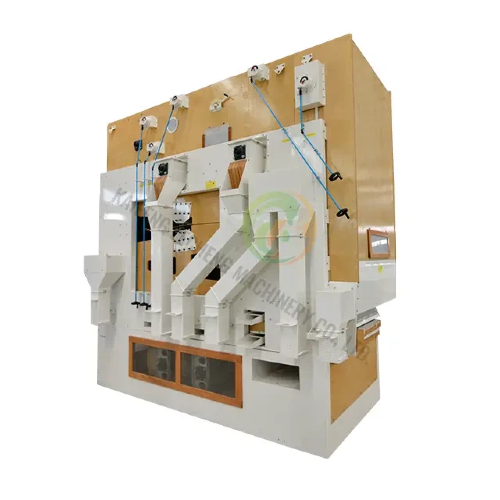
Benefits of High-Efficiency Grain Cleaning Machines
Improved Crop Quality
Using a high-efficiency grain cleaning machine ensures that grains are free from impurities, which directly improves the quality of the crop. Cleaner grains are less likely to suffer from post-harvest damage and will have higher market value.
Increased Operational Efficiency
High-efficiency machines reduce the time required for cleaning and the need for manual labor. With advanced automation and high throughput capacity, these machines ensure that large volumes of grain are processed quickly and efficiently.
Cost Savings
By reducing energy consumption and minimizing maintenance costs, high-efficiency grain cleaning machines offer long-term savings. Their higher throughput also reduces labor costs, making them a cost-effective solution for large-scale operations.
Enhanced Profitability
A high-efficiency grain cleaning machine increases the value of the final product by ensuring cleaner, higher-quality grain. The reduced operational costs, combined with better product quality, contribute to higher profitability for businesses in the grain processing industry.
How to Choose a High-Efficiency Grain Cleaning Machine
Selecting the right grain cleaning machine requires a thorough assessment of your specific needs. Here are the steps you should follow:
Assess Your Crop Type: Determine the size, shape, and type of impurities that your crop contains. This will help you choose the right machine features.
Evaluate the Machine’s Throughput Capacity: Consider your operational scale and choose a machine with the appropriate throughput to keep up with demand.
Consider Energy Efficiency: Look for machines with energy-saving features to minimize operational costs.
Check Maintenance and Durability: Ensure the machine is built with durable materials and is easy to maintain.
Consult Experts: If you're unsure, consult with manufacturers or experts in grain cleaning machines to ensure you're making the best decision.
Conclusion
Investing in a high-efficiency grain cleaning machine is a strategic choice for any grain processing operation. By prioritizing key features such as advanced screening technology, effective impurity removal, energy efficiency, and high throughput capacity, we ensure that your equipment delivers superior performance. These machines not only improve the quality of your grain but also significantly boost productivity, reduce operational costs, and enhance overall profitability.
At Kaifeng Lecheng Machinery, we specialize in providing high-efficiency grain cleaning solutions designed to meet the unique needs of various crops. Our machines are equipped with the latest technologies, offering optimal impurity removal and energy-saving features to help your operation run more smoothly and cost-effectively. Whether you're processing wheat, rice, corn, or other grains, our team is ready to assist you in selecting the right equipment. Contact us today to learn more about how our solutions can improve your grain cleaning process and drive your business forward.
FAQ
What is the most important feature in a high-efficiency grain cleaning machine?
The most important feature is the effective impurity removal system, which ensures that the grains are thoroughly cleaned, improving product quality and efficiency.
How does a high-efficiency grain cleaning machine save energy?
These machines are designed with energy-efficient motors, smart controls, and optimized systems to reduce power consumption while maintaining high cleaning performance.
Can a high-efficiency grain cleaning machine handle different crop types?
Yes, high-efficiency machines often come with adjustable settings and multi-purpose capabilities, allowing them to clean a variety of crops, including wheat, rice, corn, and soybeans.
How do I maintain a high-efficiency grain cleaning machine?
Regular maintenance includes cleaning the screens, checking the motor and drive system, inspecting parts for wear and tear, and following the manufacturer’s maintenance guidelines to ensure long-term performance.


