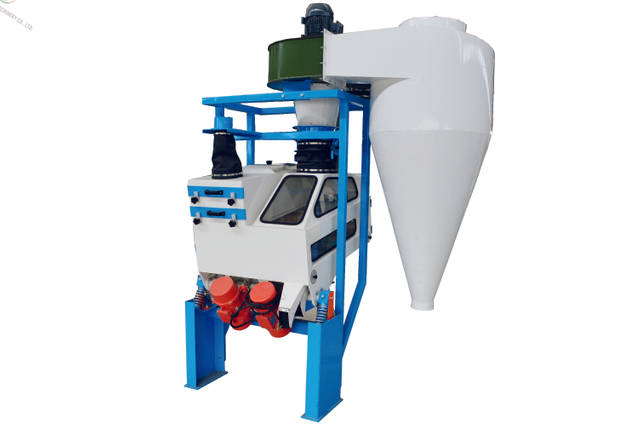
In the high-stakes environment of grain processing, a seed destoner serves as more than just a cleaning step. It acts as a critical protective barrier for your downstream equipment. When stones, glass, or metal shards slip past this defense, they wreak havoc on milling rolls, polishers, and expensive color sorters. The cost of such failures extends far beyond the price of a replacement part; it includes unscheduled downtime and contaminated final products. However, total failure is rarely the first sign of trouble. Instead, operators often face the "drift" phenomenon.
Destoning efficiency typically degrades slowly over weeks or months rather than failing suddenly. This gradual decline leads to "invisible" yield losses where good grain exits with stones, or small stones remain in the clean stream. This guide moves beyond basic troubleshooting advice. We explore the airflow dynamics, stratification physics, and mechanical integrity required to maintain a high-performance Seed Destoner. Whether you manage a large facility or a specialized line, these insights will help you restore operational baselines and determine if your equipment is nearing its end-of-life.
Key Takeaways
Airflow is King: 80% of separation issues stem from incorrect air volume or distribution, not mechanical failure.
The "Floor Test": If your facility floor vibrates, your foundation is stealing energy from the vibratory seed destoner, reducing efficiency.
Stratification Rules: Material depth must match the specific crop (e.g., 1–2 inches for beans, less for small seeds) to function.
Repair vs. Replace: Chronic frame cracking or motor overheating often signals that maintenance costs now exceed the amortization of a new unit.
1. Diagnosing Separation Failures (Airflow & Stratification)
The core physics of a destoner rely on a delicate balance: the grain must float while the stones sink. If this fluid bed collapses or becomes too turbulent, separation fails. Most operators mistakenly blame the screen or the motor when the real culprit is airflow dynamics.
Symptom: Good Grain in the Stone Discharge
Finding valuable product in your waste stream is a direct hit to profitability. This issue usually indicates that the separation energy is too aggressive for the crop density.
The Airflow Balance: Excessive negative pressure creates a suction force strong enough to lift heavier stones into the grain stream or, conversely, drag grain up the slope with the stones. You must find the equilibrium where air velocity supports the grain mass but is insufficient to lift the stones.
Damper Settings: Do not make large adjustments. Procedure dictates incrementally closing the discharge damper or reducing air suction by 5-10% intervals. Wait five minutes between adjustments to allow the bed to stabilize.
Reference Data: Success depends on "Pattern Depth." For wheat-sized crops, maintain a fluid bed depth of 1/2 to 1 inch. If the bed is too shallow, air blows through holes in the coverage, ruining the stratification. A grain seed destoner machine requires this specific depth to create the necessary hydraulic pressure for separation.
Symptom: Stones Remaining in the Clean Grain
When heavy contaminants fail to separate, they travel down the deck with the clean product. This poses a severe safety risk for consumers and machinery alike.
Deck Blinding is a frequent offender. Oil seeds, such as soybeans or canola, can leave a sticky residue on the mesh. Over time, dust adheres to this oil, clogging the pores. If the air cannot pass through the deck, the grain cannot stratify. Regular cleaning schedules are mandatory for oily crops.
Fan Direction issues often arise after maintenance. If a blower fan is wired backward (reverse polarity) after a repair, it may still move air, but at a fraction of the required volume. Always verify rotation direction if suction drops suddenly after electrical work. Furthermore, Filter Health plays a massive role. A dirty air filter chokes the aspiration system. If the machine cannot breathe, it cannot lift the grain.
The Back-Blow Feature
Modern units often feature a secondary air adjustment known as "back-blowing." This air stream pushes against the stone discharge at the very top of the slope. It acts as a final gatekeeper, blowing any stray grain kernels back into the main processing stream while allowing heavier stones to pass against the wind. If you see grain loss, check this specific vent first.
2. Troubleshooting Mechanical Vibration and Structural Integrity
While airflow separates the layers, vibration moves them. The goal is to ensure kinetic energy transfers directly into the grain, not into the building structure. Energy loss here results in sluggish separation.
The "False Vibration" Diagnosis
Many operators report that their machine feels like it is vibrating correctly, yet separation is poor. This is often a case of false vibration.
Perform the Foundation Check, also known as the "Floor Test." Stand next to the running machine. If you can feel distinct vibrations traveling through your shoes, your foundation is inadequate. The floor is absorbing the energy meant for the vibratory seed destoner. This dampens the deck’s stroke, preventing heavy stones from climbing the slope. Reinforcing the flooring or installing isolation pads may be necessary.
Additionally, inspect Mounting Hardware. Loose clamps or anchor bolts can rattle, mimicking internal mechanical failures. Tighten all structural bolts to torque specifications regularly.
Deck & Frame Issues
The structural frame endures millions of stress cycles. Material Fatigue eventually sets in. Aluminum frames are lightweight but can develop micro-cracks that disrupt the vibration trajectory. Beech wood frames offer excellent damping but can warp if exposed to high humidity. Warping causes "dead spots" on the deck where grain piles up instead of flowing.
Watch for Eccentric Bearing Wear. These bearings drive the oscillation. Before a catastrophic seizure, they usually exhibit heat spikes. Use an infrared thermometer to monitor bearing housing temperatures. Irregular grinding noises or a change in the machine's pitch also signal immediate replacement is needed.
Drive System Slippage
The V-belt connects the motor to the eccentric drive. Belt Tension is critical. A loose belt slips, causing the deck stroke to vary unpredictably. However, over-tensioning is equally dangerous; it pulls laterally on the motor shaft, destroying bearings. A general rule of thumb is to allow approximately 1/2 inch of deflection when pressing the belt firmly midway between pulleys.
3. Addressing Throughput and Feed Rate Inconsistencies
A destoner is not a standalone island; it is part of a flowing river of grain. Fluctuations upstream ruin performance downstream. Optimization requires flow management.
Surge Feeding Problems
Destoners operate best under steady-state conditions. The Buffer Bin is essential. It provides a consistent "head" of material that feeds the machine. This head pressure creates an air seal at the inlet. Without it, air escapes through the feed inlet rather than moving through the deck, collapsing the fluid bed.
Troubleshoot your Flow Balancer Failures. Automated flow balancers upstream can malfunction, causing "starve-feeding" (running empty) followed by flooding. Flooding overwhelms the deck, burying stones under too much grain for the air to lift. Starve-feeding breaks the air seal.
Blockages and Capacity Mismatches
Never rely on a destoner to do a scalper's job. Pre-Cleaning Dependency is absolute. The seed processing machine destoner serves a specific function: density separation. If the feed contains large trash like straw, cobs, or strings, they will bridge across the discharge outlets. Ensure your scalping screen upstream is intact.
Be aware of Seasonal Adjustments. Harvest conditions change the moisture content of grain. Wetter grain is denser and has a higher coefficient of friction. You may need to reduce the feed rate or increase the deck slope slightly to prevent screen blinding during high-moisture processing runs.
4. Electrical and Component-Level Failure Analysis
Electrical issues often manifest as intermittent shutdowns or erratic behavior. Safety and compliance must guide these troubleshooting steps.
Motor Overheating & Shutdowns
Grain processing environments are inherently dusty. Dust Accumulation acts as a thermal blanket. If dust coats the cooling fins of the motor, heat cannot escape. Over time, this insulation causes the motor to overheat and trip the thermal overload protection. Ensure motor housings are blown off with compressed air daily.
In industrial settings, check for Phase Imbalance. A 3-phase system operating with a voltage imbalance or a dropped phase (single-phasing) will cause motors to hum, overheat rapidly, and eventually burn out. Regular voltage checks at the disconnect switch are prudent.
Control Panel Anomalies
Modern lines use Variable Frequency Drives (VFDs) to control fan speeds and vibration. VFD Faults provide clues. If a VFD trips on "Over-Current," it might indicate a mechanical jam (load spike). If it trips on "Under-Voltage," the facility's power supply may be unstable. Do not just reset the code; interpret it.
Wear Parts Lifecycle
Rubber Components govern the machine's motion. Rubber springs, bushings, and sleeves harden and crack over time due to oxidation and UV exposure. Hardened rubber alters the natural frequency of the machine. The stroke becomes shorter and harsher, reducing separation efficiency. Inspect these components annually and replace them in sets to maintain balance.
5. The Decision Matrix: Repair, Retrofit, or Replace?
Facility owners eventually face a difficult choice: keep patching the old unit or invest in a new one. This decision affects the bottom line and product quality.
The ROI of Repair
Use a calculation framework to remove emotion from the decision. If the cost of parts plus the estimated cost of downtime exceeds 40% of a new machine's value, replacement is usually the solvent path. Old machines often become money pits where one repair immediately precedes another failure.
Technology Gap Evaluation
Technology has advanced. Older pressure-type destoners blew dust into the plant environment. A modern combined seed destoner often uses suction-type aspiration. This design contains dust within the system, drastically improving plant sanitation and reducing explosion risks. If your current unit struggles to meet modern hygiene standards, a retrofit is insufficient.
Vendor & Support Factors
When choosing a replacement, evaluate the Seed Destoner manufacturer based on support. Can they ship parts within 24 hours? Do they offer remote troubleshooting?
DIY vs. Pro Boundaries
Knowing when to call for help saves money. Use the table below to guide your maintenance team:
| Task Category | DIY Safe (In-House Team) | Call a Pro (Manufacturer/Specialist) |
|---|
| Mechanical | Screen cleaning, belt tensioning, filter changes, lubrication. | Balancing eccentric drives, re-welding cracked structural frames. |
| Electrical | Resetting breakers, cleaning motor fins, checking fuses. | Complex VFD programming, rewiring main control panels. |
| Process | Adjusting air dampers, setting deck slope. | Audit for yield loss analysis, complete plant flow redesign. |
Conclusion
Effective troubleshooting follows a logical path: start with the Environment (Power and Feed consistency), move to the Physics (Airflow and Vibration settings), and finally inspect the Mechanics (Bearings and Frames). Skipping steps usually leads to misdiagnosis and wasted parts.
Remember the "Clean Grain" standard. A well-tuned destoner is the cheapest insurance policy you can buy for your high-value final products. It protects your brand reputation and your expensive milling equipment simultaneously. If yield losses persist despite your best calibration efforts, it may be time to schedule a professional audit or consult with a manufacturer to discuss modern solutions.
FAQ
Q: Why is my seed destoner throwing good grain out with the stones?
A: This is typically caused by excessive airflow or incorrect deck slope. High negative pressure lifts the stones into the grain stream. Try reducing the air suction incrementally. Also, check if the "back-blow" air vent is open enough to push stray grain back into the processing zone.
Q: How often should I clean the destoner deck screens?
A: It depends on the crop. For dry grains like wheat or corn, a weekly inspection is often sufficient. However, for oily seeds like soybeans or sunflower, you should clean the screens daily. Oil buildup traps dust, which blinds the screen and kills airflow.
Q: Can I run different crops on the same destoner without adjustment?
A: No. Different crops have different bulk densities and aerodynamic properties. A setting that works for heavy beans will blow light grass seeds right out of the machine. You must adjust the air volume, deck slope, and vibration frequency for every crop change.
Q: What is the difference between a gravity separator and a destoner?
A: A destoner is designed specifically to remove heavy contaminants (stones, glass, metal) that are denser than the grain. A gravity separator (gravity table) is more sensitive; it separates grain based on slight differences in density, such as removing insect-damaged, immature, or broken kernels from good kernels.
Q: How do I know if my vibration motor bearings are failing?
A: Monitor heat and sound. Failing bearings often generate excessive heat before they seize. Use an infrared gun to check housing temperatures regularly. Acoustically, a smooth hum is good; a grinding, clicking, or irregular rhythmic noise indicates immediate failure is imminent.