Grain seed drying is a critical step in the seed processing industry, ensuring that seeds are ready for storage or planting without compromising their quality. The process involves removing excess moisture from harvested seeds, which, if left unchecked, can lead to spoilage, mold, and reduced germination rates. One of the most crucial factors in grain seed drying is temperature control. In this guide, we will explore how to set the optimal temperature in a grain seed drying machine, why it’s important, and how to adjust settings based on different variables.
1. Why Temperature Control is Crucial in Grain Seed Drying
Temperature is one of the most important variables when drying seeds. Proper temperature control ensures that seeds are dried uniformly and efficiently, preventing damage and maintaining seed quality. Seeds that are dried too quickly or at too high a temperature can suffer from cracked shells or internal damage, while seeds that are not dried enough will have a higher risk of spoilage during storage.
In a grain seed drying machine, the temperature must be carefully monitored to prevent over-drying or under-drying. Both extremes can affect seed viability, making it essential to understand how to set the right temperature for each type of seed.
The Challenge of Temperature Control in Grain Seed Drying
Maintaining the optimal drying temperature can be challenging due to several factors:
Seed Type Variations: Different seeds, such as wheat, rice, and corn, have varying moisture content and drying requirements.
Environmental Factors: Temperature, humidity, and external weather conditions can affect the efficiency of the drying process.
Drying Speed: Faster drying speeds may require higher temperatures, but this increases the risk of damaging seeds if not controlled carefully.
By setting the correct temperature, you can ensure that the drying process is both efficient and effective, enhancing seed quality and reducing waste.
2. Understanding the Grain Seed Drying Process
How Grain Seed Drying Machines Work
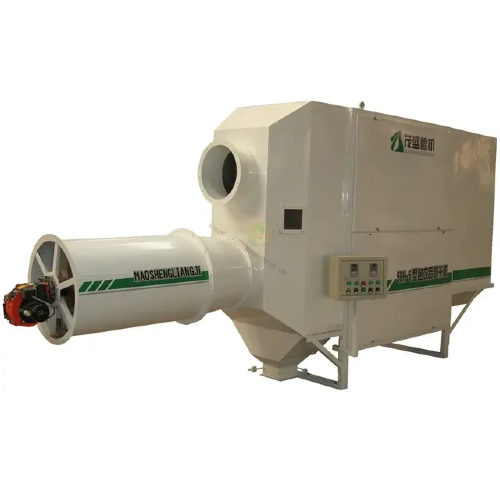
Grain seed drying machines work by blowing hot air over seeds to remove moisture. The air is heated and circulated through the seeds, allowing the moisture to evaporate. These machines generally use a combination of heat, air circulation, and sometimes humidity control to achieve the desired moisture content.
There are two main types of grain drying methods used:
Hot Air Drying: Hot air is circulated through the seeds to accelerate the moisture removal process.
Solar Drying: In some cases, solar energy is used to dry seeds, though this is less common in industrial settings.
Both methods require precise temperature control to avoid over-drying or under-drying the seeds.
The Importance of Moisture Control
Moisture control is the primary goal of grain seed drying. Seeds need to be dried to specific moisture levels to ensure long-term viability and prevent storage issues. The ideal moisture content for most seeds is around 8-12%. Drying seeds to this level ensures that they remain dormant until they are planted, without the risk of mold, mildew, or fungal growth.
Seed Type | Ideal Moisture Content | Risk of Over-Moisture |
Wheat | 10-12% | Mold growth, poor germination |
Rice | 12% | Fungal growth, seed spoilage |
Corn | 10-12% | Mold, reduced shelf life |
Soybeans | 8-10% | Decreased protein content |
3. Factors to Consider When Setting the Temperature
Seed Type and Characteristics
Different seeds have different moisture levels and drying requirements. Understanding the type of seed you are drying is crucial to setting the correct temperature. Some seeds, such as wheat, are more resistant to heat and can tolerate higher drying temperatures, while others, like rice and soybeans, require lower temperatures to avoid damage.
Key Considerations for Seed Type:
Hard vs. Soft Seeds: Hard seeds like wheat can handle higher temperatures, while soft seeds like rice may crack at higher temperatures.
Oil Content: Seeds with higher oil content, such as soybeans, require gentler drying to preserve their quality.
Delicate Seeds: Vegetable seeds or specialized seeds may require more precise temperature settings to prevent damage.
Seed Type | Recommended Temperature Range | Notes |
Wheat | 35-45°C (95-113°F) | Higher temperatures for fast drying |
Rice | 40-45°C (104-113°F) | Avoid high heat to prevent cracking |
Corn | 40-50°C (104-122°F) | Can tolerate slightly higher temperatures |
Soybeans | 45-50°C (113-122°F) | Avoid too high to preserve oil content |
Ambient Conditions
Ambient conditions such as humidity and temperature can influence how the drying process works. High humidity levels in the environment will make it harder for moisture to evaporate from the seeds, requiring adjustments in temperature and airflow.
Key Ambient Conditions to Monitor:
Humidity: High humidity increases drying time and may require a higher drying temperature to maintain efficiency.
External Temperature: Warmer temperatures reduce the workload of the drying machine, while colder temperatures may require increased heat settings to compensate.
Drying Method (Batch vs. Continuous)
Batch Drying: Batch drying systems work by drying a fixed amount of seed in one cycle. These systems often require careful temperature management because the drying process occurs in stages.
Continuous Drying: Continuous drying systems continuously feed seed through the drying process, making them ideal for high-volume operations. These systems often have automated temperature control, adjusting the heat based on the flow of seeds.
Drying Method | Temperature Adjustment | Ideal Use Case |
Batch Drying | Manual temperature control throughout the cycle | Smaller operations, more control needed |
Continuous Drying | Automated temperature adjustments based on seed flow | Large-scale operations with high volume |
4. How to Set the Optimal Temperature for Different Seed Types
Wheat and Other Cereal Grains
Wheat is a hardy seed that can handle higher temperatures during the drying process. The ideal temperature range for drying wheat is between 35°C and 45°C (95°F to 113°F). This range helps to quickly remove moisture without damaging the seed’s structure. However, care must be taken not to exceed these temperatures, as it could lead to poor germination.
Rice and Other Rice-Like Grains
Rice is more sensitive to temperature than wheat. The ideal temperature range for drying rice is 40°C to 45°C (104°F to 113°F). Higher temperatures can cause the rice to crack, which affects its quality. Therefore, rice should be dried slowly at a lower temperature to preserve its integrity and quality.
Corn and Soybeans
Corn and soybeans are more robust than rice but still require careful temperature management. Corn can tolerate slightly higher temperatures, with a recommended range of 40°C to 50°C (104°F to 122°F). Soybeans, on the other hand, should be dried at 45°C to 50°C (113°F to 122°F). Overheating can degrade their oil content and protein quality, so it is crucial to maintain consistent temperature control during the drying process.
Specialized Seeds (e.g., Vegetable Seeds, Oilseeds)
Specialized seeds, such as vegetable seeds or high-value oilseeds, require even more precise temperature control. The optimal temperature for these seeds is often lower than for grains like wheat or corn, and they may require temperature ranges of 30°C to 35°C (86°F to 95°F) to preserve their quality and viability.
5. Adjusting for External Conditions
Impact of Humidity on Drying Temperature
High humidity can slow down the drying process because the air is already saturated with moisture. In such conditions, you may need to increase the temperature of the drying machine to ensure efficient moisture removal. Conversely, if the air is dry, the drying process will be faster, and you can reduce the temperature to prevent over-drying.
Temperature and Weather Conditions
When external temperatures are lower, it might be necessary to increase the drying machine's heat output to maintain the drying rate. During the summer months, ambient temperatures are usually higher, and you may need to lower the temperature settings of the machine to prevent overheating the seeds.
Machine’s Heating System and Energy Efficiency
The type of heating system used in the grain seed drying machine can affect how efficiently it operates at different temperatures. Gas-powered systems are typically faster but less energy-efficient than electric systems. Choosing a machine with an energy-efficient heating system can help reduce operational costs while maintaining optimal drying conditions.
6. Best Practices for Setting and Maintaining Temperature in Grain Seed Drying Machines
Use of Digital Temperature Controls
Modern grain seed drying machines come equipped with digital temperature controls that make it easier to set and monitor the drying temperature. These controls often feature intuitive interfaces that allow for precise adjustments and can maintain the desired temperature throughout the drying cycle.
Monitoring and Adjusting Throughout the Process
Regularly monitor the drying process and adjust the temperature as needed. Many drying machines feature built-in sensors that automatically adjust the temperature and airflow based on the moisture content of the seeds. This automation helps ensure a consistent drying process and reduces the likelihood of human error.
Recording and Tracking Temperature Data
Tracking temperature data is a valuable tool for optimizing drying cycles. Keeping records of temperature settings, drying times, and seed quality can help identify trends and make necessary adjustments for future drying processes.
7. Troubleshooting Temperature Issues in Grain Seed Drying Machines
Signs of Incorrect Temperature Settings
Under-dried Seeds: If seeds are not reaching the desired moisture content, it could indicate that the temperature is too low or the drying time is insufficient.
Over-dried Seeds: If seeds become brittle or damaged, the temperature may have been too high, causing excessive moisture loss.
What to Do If the Temperature Is Too High or Too Low
If the drying temperature is too high, lower it immediately to prevent damage to the seeds. If the temperature is too low, increase it gradually until the desired drying conditions are achieved. It’s essential to monitor the moisture content during the drying cycle to ensure proper settings.
Regular Calibration of the Temperature System
To maintain accurate temperature readings, calibrate the temperature sensors regularly. Over time, sensors can become inaccurate, leading to improper temperature control. Regular calibration ensures that the machine continues to operate efficiently and produces optimal drying results.
8. Conclusion
Setting the optimal temperature in a grain seed drying machine is critical for maintaining seed quality and achieving efficient drying. Understanding factors such as seed type, ambient conditions, and drying methods allows you to set the right temperature for uniform drying. Consistently monitoring temperature controls and performing regular maintenance will ensure optimal performance and prevent potential seed damage.
At Kaifeng Lecheng Machinery Co., Ltd., we offer a range of high-quality grain seed drying machines designed to meet the specific needs of your seed processing facility. Our machines are equipped with advanced temperature control systems that ensure uniform drying and preserve the quality of your seeds. Whether you are handling small or large volumes of seeds, our equipment is built to improve efficiency and maximize crop yields.
We encourage you to explore our products and contact us to find the best solution for your seed drying needs. Our team is ready to assist you in selecting the right machine for your operation, ensuring optimal results and long-term success.
9. FAQ
1. Why is temperature control so important in grain seed drying?
Temperature control ensures that seeds are dried uniformly and prevents both over-drying and under-drying. Proper temperature settings help maintain seed quality, enhance germination rates, and reduce the risk of mold or spoilage.
2. What temperature should I set for drying wheat?
Wheat should be dried at a temperature range of 35°C to 45°C (95°F to 113°F). This ensures the seeds are dried quickly without losing their viability or germination potential.
3. How do I know if the temperature is too high or too low?
If seeds are not reaching the desired moisture content, the temperature might be too low. Conversely, if seeds become brittle or show signs of cracking, the temperature may have been too high.
4. Can external weather conditions affect the drying process?
Yes, high humidity or low ambient temperatures can affect the efficiency of the drying process. Adjusting the machine’s settings based on weather conditions is essential for maintaining optimal performance.
5. How often should I calibrate the temperature system?
Temperature sensors should be calibrated periodically, ideally every 6 months or after a significant amount of use, to ensure accurate readings and proper operation of the drying system.


