A mobile seed cleaning machine is an essential piece of equipment for efficient and high-quality seed cleaning. Whether you're working on a small farm or in a large seed processing facility, understanding how to safely and effectively operate a mobile seed cleaning machine is key to maintaining operational efficiency, preventing accidents, and ensuring high-quality seeds. In this article, we'll guide you through the process of safely operating this equipment, from pre-operation to troubleshooting and shutdown.
1. Overview of the Mobile Seed Cleaning Machine
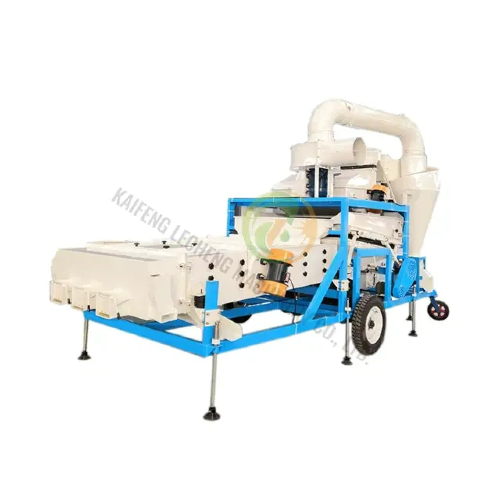
A mobile seed cleaning machine is designed to clean seeds such as wheat, rice, corn, and other agricultural products. It combines multiple processes into a single machine, including cleaning, separating, and grading. The main advantage of a mobile unit is its ability to be moved around the field or farm, allowing for greater flexibility and reducing the need for transporting the seeds to a processing facility.
These machines are particularly beneficial for small to medium-sized farms where mobility and space are limited. They are compact and can be transported to different locations, making them suitable for operations that need to clean large volumes of seeds on-site. In addition to being mobile, these machines are also designed to handle a wide variety of seed types with minimal adjustments, making them versatile in different agricultural settings.
This machinery uses various techniques, such as air-screen cleaning, gravity separation, and vibratory sifting, to ensure that the seeds are free from contaminants like dust, stems, and broken pieces. These machines are a vital part of modern agriculture, providing the means to clean and prepare seeds for planting.
Importance of Safety
Operating a mobile seed cleaning machine involves high-speed moving parts, electrical components, and sometimes hazardous environments. For this reason, safety is paramount. Proper operation ensures the machine runs smoothly, preventing damage to both the equipment and the user. Ensuring safety also reduces the likelihood of accidents, which can lead to costly repairs or injuries.
When operating such machines, workers must be mindful of their surroundings, the condition of the equipment, and their personal protective gear. Safety measures, when followed correctly, ensure that the seed cleaning process is not only efficient but also safe for everyone involved in the operation.
2. Understanding the Components of a Mobile Seed Cleaning Machine
Main Components of the Machine
Understanding the various components of the mobile seed cleaning machine will help you operate it more effectively. Here's a breakdown of the key components:
Component | Function |
Air Screen | Uses airflow to remove light impurities such as dust and chaff. |
Vibratory Separator | Separates seeds based on size and weight by using vibrations. |
Gravity Separator | Uses gravity to separate seeds based on their density. |
Sieves and Screens | Removes small seeds, broken grains, and other unwanted particles. |
Discharge Chutes | Allows for the clean seeds to be collected and discharged into containers. |
Conveyor Belts | Transports seeds through the different cleaning stages. |
Motor and Drive System | Powers the machine and drives the operational components. |
Each of these components plays a vital role in ensuring that the machine operates as intended, helping to achieve the desired level of seed cleanliness and quality. Air screens are particularly useful in separating light contaminants like dust or chaff, which can be difficult to remove manually. Vibratory separators are ideal for separating seeds based on size, while gravity separators help sort the seeds by weight, ensuring that only the heaviest and healthiest seeds are selected.
Key Features for Safe Operation
Mobile seed cleaning machines come with several safety features designed to protect the operator and the equipment:
Emergency Stop Button: Ensures that the machine can be halted immediately in case of a malfunction. This feature is especially important in preventing accidents if something goes wrong during operation.
Safety Guards: Prevents accidental contact with moving parts, particularly the vibratory and mechanical systems that can cause injury if not handled properly.
Overload Protection: Protects the motor and electrical components from damage due to overloads. This feature helps to prevent damage to the machine during heavy-duty operations.
Familiarizing yourself with these components and their functions will make operating the machine easier and safer. Always make sure that all safety guards are in place and that the emergency stop functions properly before starting the machine.
3. Pre-Operation Checklist
Before you start operating a mobile seed cleaning machine, it’s essential to perform a thorough inspection and ensure everything is in proper working order.
Inspection of the Machine
Perform the following checks to ensure the machine is ready for use:
Visual Inspection: Check for visible damage, such as cracks or worn-out parts. Look for any obstructions in the chutes, sieves, and conveyors. These areas are prone to wear and tear, especially when the machine is used frequently.
Mechanical Parts: Inspect the belts, motors, and screens to ensure they are securely attached and operating smoothly. Make sure that there are no loose parts that could cause operational issues.
Electrical Connections: Verify that all electrical wiring is intact and that the power supply is adequate for operation. Ensure that all connections are firmly secured to avoid electrical shorts or failures during operation.
Fuel and Lubrication: Check the fuel levels (for gasoline-powered machines) and lubricate moving parts to reduce friction and prevent damage. Lubrication should be done regularly, as it reduces wear and keeps the machine operating efficiently.
Proper Setup
Position the Machine: Ensure the machine is placed on level ground to prevent tipping and ensure even operation. Operating the machine on uneven ground can lead to inefficient cleaning and possibly cause damage to the machine.
Check Mobility: Verify that the machine is easy to move around and that the wheels or tracks are functioning properly. Proper mobility ensures that the machine can be relocated as needed for different seed cleaning operations.
Safety Checks: Ensure all safety guards and covers are in place and that emergency stop functions are operational. These are critical to ensuring the safety of the operator.
4. Operating the Mobile Seed Cleaning Machine Safely
Starting the Machine
Here’s how to properly start the machine:
Power On: Turn on the main power switch and ensure the fuel or electrical supply is connected. Double-check that the machine is receiving the right amount of power for optimal performance.
Adjust Settings: Set the machine for the specific type of seed you’re processing (e.g., wheat, corn, rice). This includes adjusting the airflow, vibration frequency, and gravity separation settings to match the seed type. Each seed type has unique cleaning requirements, so setting the machine correctly is crucial for optimal performance.
Check for Obstructions: Ensure there are no seeds or debris stuck in the machine's components that could hinder operation. Obstructions can cause jams and affect the overall efficiency of the machine.
Test Run: Run the machine without any seeds to verify that all components are working properly. A quick test run ensures that everything is functioning as expected before you begin processing seeds.
During Operation
Monitor the Seed Cleaning Process: Keep an eye on the seed output and adjust settings as necessary to ensure optimal cleaning. Monitoring the process allows you to make real-time adjustments for better efficiency.
Check Seed Quality: Regularly inspect the cleaned seeds to ensure that impurities are effectively removed. If the seeds are not meeting the desired cleanliness standards, adjust the machine’s settings accordingly.
Adjust for Different Seeds: Different seeds require different settings. For example, corn and rice may need different vibration levels and air pressure to separate them from the husks effectively. Always make the necessary adjustments based on the type of seed being processed.
Safety Tips While Operating
Wear Protective Gear: Always wear gloves, safety goggles, and ear protection. Protective gear is essential to prevent injuries from flying debris or loud noise.
Keep Hands Away from Moving Parts: Never reach into the machine while it is operating. Accidental contact with moving parts can cause serious injuries.
Stay Alert: Always be attentive to unusual sounds, vibrations, or signs of malfunction. A sudden change in the machine’s operation could indicate a problem that needs immediate attention.
Do Not Overload the Machine: Follow the manufacturer's guidelines for maximum load capacity to avoid damage to the machine. Overloading the machine can cause unnecessary stress on its components, leading to breakdowns.
5. Troubleshooting During Operation
Common Issues
Clogging: If seeds become clogged or don’t flow properly through the machine, it can result in inefficient cleaning. Common causes include improperly adjusted settings or damaged sieves.
Excessive Vibration or Noise: If the machine is vibrating excessively or making unusual noises, it could be a sign of misalignment, loose parts, or motor issues.
Steps to Resolve Issues
Turn off the machine and perform a visual inspection for any obstructions. Check all components carefully to identify the source of the issue.
Clean the filters and screens to remove any debris that may be causing the blockage. Clogged filters can impede airflow, reducing the effectiveness of the cleaning process.
Check the motor and drive system for any irregularities. Ensure that all parts are functioning as they should, and tighten any loose components.
Adjust the settings to ensure that the machine is optimized for the type of seeds being processed. In some cases, incorrect settings can cause the machine to underperform.
6. Shutting Down the Mobile Seed Cleaning Machine Safely
Proper Shutdown Procedure
Turn off the power using the emergency stop or power switch. Always power down the machine after use to prevent electrical hazards.
Empty the Seed Chamber: Ensure that all cleaned seeds are removed from the machine to avoid contamination in future operations.
Clean the Machine: Clean the screens, chutes, and other components to prevent build-up and ensure the machine is ready for the next use. Cleaning the machine after each use ensures that it operates efficiently over the long term.
Store the Machine: If not in use for extended periods, cover the machine to protect it from dust and weather damage. Storing the machine properly can prolong its lifespan and keep it in good condition.
Post-Operation Safety Check
Inspect the Machine: After each use, check for any wear or damage. Pay special attention to the screens, belts, and motor.
Schedule Regular Maintenance: Perform maintenance regularly based on the manufacturer’s recommendations, including lubrication and part replacements. Regular maintenance helps ensure that the machine performs at its best.
7. Conclusion
In conclusion, safely operating a mobile seed cleaning machine requires a comprehensive understanding of its components, pre-operation checks, correct handling during use, and a thorough shutdown procedure. By adhering to these guidelines, you can optimize the efficiency of your seed cleaning operations, prolong the lifespan of your equipment, and ensure the safety of the operator. At Kaifeng Lecheng Machinery Co., Ltd., we are dedicated to providing high-quality, reliable mobile seed cleaning solutions. Our machines are designed to meet the specific needs of various agricultural operations, ensuring excellent performance and ease of use. For more information or to discuss your requirements, we encourage you to contact us. Our team is ready to assist you in choosing the right equipment to suit your operational needs and help you achieve optimal results in seed cleaning.
8. FAQ
1. How often should I inspect the mobile seed cleaning machine?
Inspections should be conducted before each use, with in-depth checks scheduled monthly or after significant use. Regular maintenance is essential to avoid unexpected breakdowns.
2. What safety gear should I wear while operating the machine?
Always wear gloves, safety goggles, and ear protection to safeguard against dust, debris, and high noise levels.
3. Can I use the mobile seed cleaning machine for different types of seeds?
Yes, but you need to adjust the machine’s settings for different seed types to ensure optimal cleaning and separation.
4. What should I do if the machine stops working during operation?
If the machine stops, check for obstructions or electrical issues. Always power down before troubleshooting or performing any maintenance.


