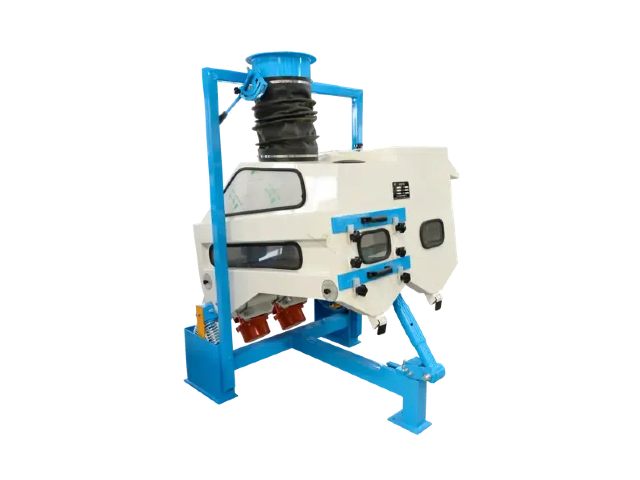
In modern agriculture, seed purity is essential to ensuring healthy crop growth and maximizing yield. At Kaifeng Lecheng Machinery Co., Ltd., with over 45 years of experience in seed processing equipment, we understand the vital role of seed cleaning machines in this process. Our advanced grain seed cleaning solutions, including dry bean cleaning machines and air screen seed cleaning machines, help farmers and processors achieve superior seed quality efficiently and reliably.
1. The Importance of Seed Purity in Agriculture
Seed purity directly affects germination rates, crop uniformity, and overall yield. Impurities in grain seeds—such as dust, debris, broken seeds, or shriveled grains—can hinder plant growth and reduce the quality of the final product. Seed cleaning is therefore a critical step in seed processing that not only improves planting success but also enhances downstream processing and storage. At Kaifeng Lecheng Machinery Co., Ltd., we provide precision-engineered seed cleaning machines designed to meet diverse agricultural needs, ensuring high-quality seed cleaning results every time.
High-quality seeds are the foundation of a successful harvest. Ensuring that seeds are free from impurities helps farmers avoid many common issues related to poor germination, uneven growth, and contamination. With rising global food demands, efficient seed cleaning is not just a benefit but a necessity. Our seed cleaning machines combine decades of innovation and craftsmanship to support this critical stage of production.
2. Why Clean Grain Seeds?
Cleaning grain seeds is an indispensable practice in agriculture for several important reasons:
Improved Germination and Crop Establishment: Impurities such as stones, soil clods, plant debris, and broken seeds can prevent seeds from establishing good contact with the soil. This leads to uneven germination, stunted seedlings, and ultimately lower yields. Removing these impurities ensures that seeds can absorb moisture evenly and begin growing robustly.
Protection of Equipment and Machinery: Foreign materials like stones or metal fragments can cause severe damage to planting machines and processing equipment, leading to costly repairs and downtime. A clean seed lot minimizes equipment wear and extends operational lifespan.
Reduced Risk of Disease and Pest Infestation: Contaminants often carry pathogens or pests that can infest seed batches during storage or transport. Thorough cleaning reduces these risks and promotes seed health, leading to healthier plants and safer crops.
Facilitation of Uniform Seed Treatment and Coating: Many seed treatments and coatings require a clean surface to adhere properly. Impurities can interfere with chemical application, resulting in uneven protection.
Enhanced Marketability: Clean, uniform seeds are highly preferred in commercial markets and meet international standards for export. They also build customer trust and ensure compliance with agricultural regulations.
At Kaifeng Lecheng Machinery, our seed cleaning machines address all these concerns, providing efficient and effective cleaning solutions tailored to various grains and seed types.
3. Common Impurities Found in Raw Grain Seeds
Raw grain seeds harvested from fields often contain a variety of impurities that must be removed to meet quality standards:
Dust and Fine Particles: Dust accumulates during harvesting and transport and can clog machinery or reduce seed quality.
Stones and Soil Clods: Heavier particles mixed with seeds that can damage equipment and reduce seed purity.
Plant Residues: Leaves, stems, husks, and weed seeds often mix with grain seeds, affecting germination and seedling health.
Broken, Cracked, or Shriveled Seeds: These damaged seeds are less likely to germinate and reduce the overall quality and vigor of the seed lot.
Similar-Sized Foreign Seeds: Weed seeds or other grains with similar size and shape pose a particular challenge because they cannot be easily removed by simple sieving.
Contaminants from Bulk Storage: During storage, seeds may be contaminated with molds, insects, or moisture, further necessitating thorough cleaning before planting or processing.
Our granular seed cleaning separator machines and air screen seed cleaning machines are designed to efficiently separate these impurities at various stages, ensuring the cleanest seed output possible.
4. Traditional Methods vs. Modern Cleaning Machines
Historically, seed cleaning was a manual or semi-manual process involving hand sorting, winnowing, and basic sieving. While these methods are still practiced in some small-scale operations, they come with significant drawbacks:
Time-Consuming and Labor-Intensive: Manual cleaning requires many hours of work, limiting throughput and scalability.
Inconsistent and Ineffective Cleaning: Human sorting cannot reliably remove all impurities, and the quality often varies depending on the operator.
Limited Processing Capacity: Manual and rudimentary mechanical methods cannot meet the growing demand for large-scale seed cleaning, especially in commercial agriculture.
In contrast, modern seed cleaning machines offer:
Automation and Speed: Seed cleaning machines process large quantities quickly, significantly reducing turnaround times.
Precision and Consistency: Multi-stage cleaning processes ensure thorough removal of even difficult impurities, resulting in uniform seed quality.
Reduced Labor Costs: Automation reduces the need for manual labor, lowering operational expenses.
Customizable Cleaning: Machines like the dry bean cleaning machine can be adjusted for different seed sizes, densities, and impurity types.
Kaifeng Lecheng Machinery offers a range of highly efficient seed cleaning machines that deliver these advantages, helping customers improve productivity and product quality.
5. How a Seed Cleaning Machine Enhances Efficiency
A typical seed cleaning machine employs several stages to maximize impurity removal while preserving seed integrity:
Air Separation: Airflow is used to remove light impurities such as dust, chaff, and husks. An air screen seed cleaning machine controls airflow precisely to separate particles by weight.
Sieving: Multi-layer sieves sort seeds and impurities by size. Fine screens capture small broken seeds and dust, while larger holes allow good seeds to pass through.
Vibratory Action: Vibrating screens and feeders help stratify seeds, reduce clumping, and improve separation efficiency.
Gravity Separation: Gravity tables and separators sort seeds based on density differences, which is effective for removing shriveled or damaged seeds.
Magnetic Separation: Some machines include magnets to extract metal contaminants that could damage equipment or seeds.
Each stage in our seed grading cleaning machines is optimized to handle different impurity types, making them suitable for a wide range of grains including wheat, corn, soybeans, dry beans, and more.
The result is a highly consistent seed batch, free from debris, with improved germination potential and better downstream processing performance.
6. Choosing the Right Machine for Grain Seeds
Selecting the ideal seed cleaning machine requires careful consideration of several factors:
Seed Type and Characteristics: Different grains have unique sizes, shapes, and densities. For example, hard seeds like dry beans require machines designed specifically for their size and density, such as a dry bean cleaning machine, while cereals may require a more generalized grain seed cleaning machine.
Processing Volume: Small to medium farms may prefer compact machines with lower capacity, whereas large seed processors need industrial-scale equipment with high throughput.
Types of Impurities: The impurity profile varies by seed source and harvest conditions. Machines must have appropriate sieving, airflow, and separation capabilities to handle these variations.
Adjustability and Flexibility: Machines with adjustable screens, airflow controls, and vibration settings offer better performance across different seed batches.
Ease of Maintenance and Durability: Reliable machines with easy-to-clean components minimize downtime and ensure long-term value.
Kaifeng Lecheng Machinery Co., Ltd. offers a wide range of seed cleaning machines tailored to these needs, including air screen seed cleaning machines, granular seed cleaning separator machines, and specialized dry bean cleaning machines. Our products are designed for efficiency, durability, and ease of use, helping you optimize your seed cleaning process.
7. Conclusion
In today’s competitive agricultural landscape, investing in a high-quality seed cleaning machine is essential. Clean seeds lead to higher germination rates, healthier crops, and ultimately better yields and profits. Kaifeng Lecheng Machinery Co., Ltd. combines decades of expertise with advanced technology to provide seed cleaning solutions that are efficient, precise, and reliable. Our equipment helps you overcome impurity challenges and achieve superior seed quality every season.
Explore our product range to find the perfect seed cleaning machine tailored to your needs.


