Grain cleaning is an essential step in the agricultural industry, especially for ensuring that harvested crops are free from impurities before they are processed further. A grain cleaning machine plays a critical role in removing unwanted particles such as dirt, stones, and broken grains from the harvest. Choosing the right grain cleaning machine for different crop types is essential for ensuring optimal productivity and maintaining the quality of the final product.
In this article, we will discuss how to select the best grain cleaning machine based on the type of crop you are processing. From understanding the functionalities of different machines to matching them with the specific needs of various crops, this guide will help you make an informed decision. By the end of this article, you'll be able to evaluate key factors such as machine capacity, crop compatibility, impurity removal efficiency, and long-term benefits to choose the best grain cleaning equipment for your needs.
What is a Grain Cleaning Machine?
A grain cleaning machine is a specialized piece of equipment designed to remove unwanted impurities from harvested grains. These impurities can include dirt, stones, dust, chaff, and other foreign materials that need to be separated before the grain can be processed further. Grain cleaning is a crucial step in the food processing and seed production industries, ensuring that the final product is pure and suitable for its intended use.
Types of Grain Cleaning Machines
Air-screen cleaners: These machines use air to separate lighter particles from the heavier grains. They are commonly used for cleaning small grains like wheat and barley.
Rotary cleaners: Rotary cleaners use a rotating drum with screens to separate different types of impurities based on size and weight. These are ideal for crops like corn and soybeans.
Gravity separators: These machines rely on gravity to separate materials with different densities. They are perfect for removing stones and heavier contaminants from grains.
Factors to Consider When Choosing a Grain Cleaning Machine
When selecting a grain cleaning machine, there are several key factors that need to be taken into account to ensure that the machine is suitable for your specific needs. Understanding these factors will help you choose the best equipment to handle your crops efficiently.
Crop Type Compatibility
Each type of crop requires different cleaning techniques due to differences in size, shape, and texture. Therefore, it is essential to choose a machine that is compatible with the specific crop you are processing. Some machines are designed for specific grains like wheat, while others are more versatile and can handle various crop types.
Grain Size and Shape
The size and shape of grains play a significant role in selecting the appropriate cleaning machine. For example, small grains like rice and barley require finer screens and more delicate handling, while larger grains like corn or soybeans can tolerate a more robust cleaning process.
Types of Impurities
The type of impurities you need to remove also influences the choice of the machine. Different cleaning machines are designed to target specific impurities, such as dust, stones, or broken grains. Understanding the common impurities in your crops will guide you in selecting a machine that effectively addresses these issues.
Capacity and Throughput
The cleaning machine’s capacity is an important consideration, especially for larger farms or processing plants. The throughput refers to the amount of grain the machine can process per hour, and selecting a machine with the right capacity for your operation will ensure efficient processing without delays.
Energy Efficiency
Choosing an energy-efficient grain cleaning machine can significantly reduce your operational costs. Modern grain cleaning machines are designed to consume less energy while maintaining high levels of efficiency.
Maintenance and Durability
A grain cleaning machine is an investment, so it is important to consider the machine's durability and the ease of maintenance. Machines that require less maintenance or have readily available spare parts will provide a higher return on investment over time.
Types of Grain Cleaning Machines for Different Crops
Different crops have distinct cleaning requirements, and the machine you choose should cater to those needs. Below are some common grain cleaning machines and their ideal uses for specific crops.
Crop Type | Machine Type | Purpose | Key Features |
Wheat and Barley | Air-screen cleaners, Rotary vibration cleaners | Removes dust, chaff, and small particles | Gentle on grain, efficient impurity removal |
Rice | Rubber roll huskers, Rice grading machines | Removes husks, broken rice, and foreign materials | Targets husk removal, minimizes damage to rice |
Corn and Soybeans | Gravity separators, Rotary cleaners | Removes stones, dust, and large impurities | High efficiency in heavy debris separation |
Small Seeds (e.g., Sunflower, Cabbage) | Indented cylinder separators | Removes small impurities while preserving seed integrity | Precise impurity removal, ideal for small seeds |
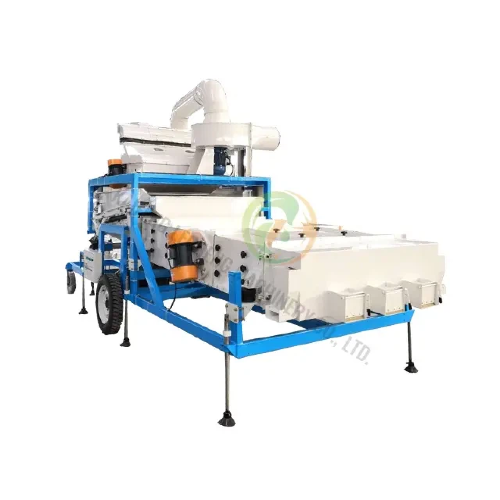
How to Select the Best Grain Cleaning Machine for Your Needs
Choosing the right grain cleaning machine involves several steps. Here's a step-by-step process to help you evaluate and select the best machine for your needs:
Step 1: Assess the Crop Type
Start by identifying the crop type you are working with. Different crops have unique characteristics that will determine which cleaning machine is best suited for the job. For instance, delicate crops like rice may require a more gentle approach, while tougher grains like corn can withstand more aggressive cleaning methods.
Step 2: Determine the Type of Impurities
Next, assess the types of impurities you need to remove. For example, if you are processing wheat, you may need a machine that can effectively remove dust and small particles, while processing corn may require a machine that can handle stones and debris.
Step 3: Evaluate Machine Capacity and Throughput
Determine the scale of your operation and choose a machine that can handle the volume of grains you need to process. If you have a large-scale operation, you'll need a machine with a higher throughput to ensure efficiency.
Step 4: Consider Energy Efficiency and Maintenance
Energy efficiency is crucial for reducing operational costs, while ease of maintenance is essential for ensuring long-term performance. Look for machines that offer energy-saving features and are easy to maintain.
Step 5: Review the Cost-Effectiveness
Finally, consider the cost-effectiveness of the machine. While the upfront cost may be significant, a high-quality machine with low operating costs and minimal maintenance requirements will offer better value in the long run.
Benefits of Choosing the Right Grain Cleaning Machine
Improved Crop Quality
Using the right grain cleaning machine ensures that your crops are free from impurities, leading to higher-quality grain. Cleaner grains are less likely to be damaged during processing and will have a better market value.
Increased Efficiency
Choosing the right machine for your crops can significantly increase the efficiency of your operation. With the right equipment, you can process more grain in less time, reducing the need for manual labor and boosting productivity.
Cost Savings
Investing in a high-quality, energy-efficient grain cleaning machine will save money in the long term. Lower energy consumption and reduced maintenance costs will help you achieve a higher return on investment.
Conclusion
Selecting the right grain cleaning machine is crucial for optimizing both the quality and efficiency of your crop processing. By carefully evaluating factors such as crop type, impurity levels, machine capacity, and energy efficiency, we can help you select the ideal equipment tailored to your specific needs. A well-chosen grain cleaning machine not only enhances the quality of your final product but also improves operational efficiency, reduces energy consumption, and boosts long-term profitability.
At Kaifeng Lecheng Machinery, we specialize in providing high-quality grain cleaning solutions that cater to a wide range of crops. Our machines are designed for superior performance, ensuring effective impurity removal while maintaining the integrity of your grains. Whether you're looking for machines for wheat, rice, corn, or other crops, we offer customized solutions to meet your needs. Feel free to reach out to us for expert advice or to explore our range of products. Let us assist you in making the best choice for your grain cleaning needs.
FAQ
What is the difference between air-screen cleaners and rotary vibration cleaners?
Air-screen cleaners use air flow and vibrating screens to separate lightweight impurities from grains. They are best suited for smaller grains like wheat and barley. Rotary vibration cleaners, on the other hand, use rotating drums and vibrating screens, making them suitable for a wider variety of crops.
Can a single grain cleaning machine be used for multiple crop types?
Some machines are versatile and can be used for cleaning multiple crop types. However, the efficiency of the cleaning process may vary depending on the specific characteristics of the crop. It's essential to choose a machine that offers the right adjustments and settings for different grains.
How can I maintain my grain cleaning machine to ensure its longevity?
Regular cleaning, inspection of moving parts, and lubrication of mechanical components are key to ensuring the machine’s longevity. Additionally, replace worn-out parts promptly and follow the manufacturer’s maintenance guidelines.
What are the energy efficiency benefits of modern grain cleaning machines?
Modern grain cleaning machines are designed to consume less energy while maintaining high levels of performance. This results in lower operational costs, which is especially beneficial for large-scale operations.


