Proper grain drying can mean the difference between a profitable harvest and devastating crop losses. When farmers harvest their crops, grain moisture levels typically range from 17% to 40%—far too high for safe storage. Without effective drying, excess moisture creates the perfect breeding ground for mold, pests, and fermentation processes that can destroy entire harvests within weeks.
Grain dryers solve this critical challenge by reducing moisture content to safe storage levels of 13-14%, protecting crops from spoilage and extending their shelf life significantly. This process not only preserves grain quality but also ensures food security on a global scale, making grain dryers an indispensable tool in modern agriculture.
Understanding how these machines work, their different types, and their benefits can help farmers make informed decisions about investing in grain drying technology. Whether you're managing a small farm or operating a large commercial facility, the principles behind grain drying remain fundamentally important for maximizing your harvest's value and longevity.
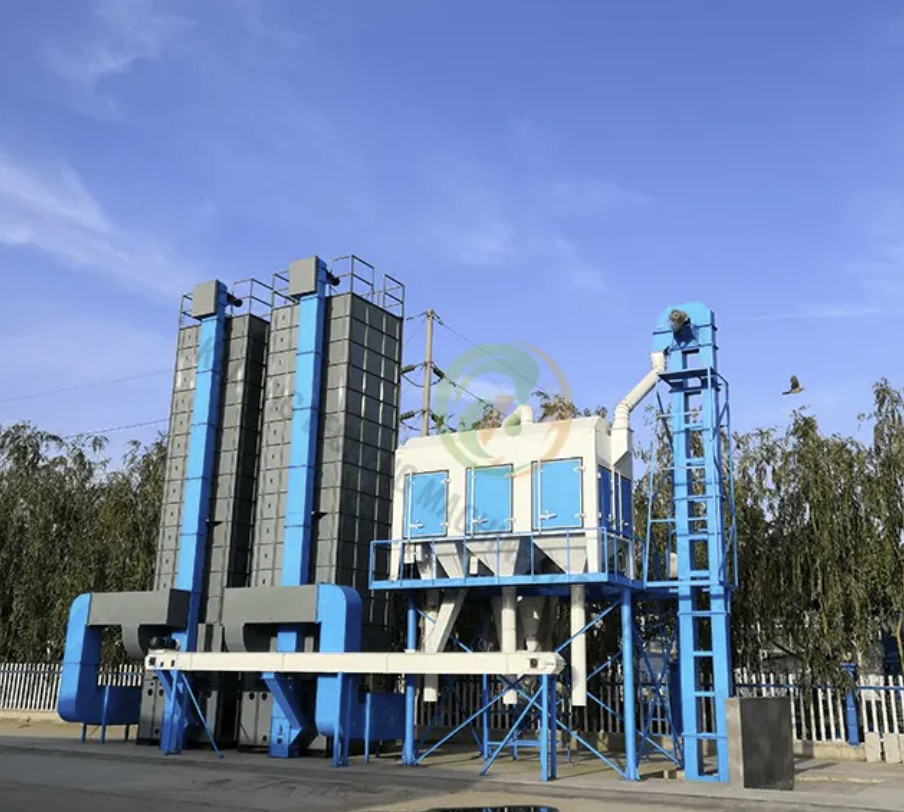
A grain dryer is a specialized agricultural machine designed to remove excess moisture from harvested grain kernels through controlled heat and airflow. These systems play a crucial role in post-harvest handling, bridging the gap between harvesting and long-term storage or processing.
The fundamental difference between natural air drying and mechanical drying lies in control and efficiency. While natural air drying relies on ambient conditions and can take weeks or months, mechanical grain dryers provide consistent, controlled conditions that can reduce moisture content in hours or days, regardless of weather conditions.
Grain dryers serve multiple stakeholders in the agricultural supply chain. Farmers use them to preserve their harvests and meet market specifications. Grain elevators rely on dryers to process large volumes of incoming grain efficiently. Commercial processors depend on consistent moisture levels to ensure product quality and prevent equipment damage during milling or other processing operations.
Why Grain Drying Is Necessary
The science behind grain moisture content reveals why drying is absolutely essential. At harvest, grains contain moisture levels that would be catastrophic for storage—corn might contain 25-30% moisture, wheat 18-20%, and soybeans up to 15%. These levels far exceed the 13-14% safe storage threshold that prevents biological activity and spoilage.
Excess moisture creates multiple problems that can devastate stored grain. Mold growth begins rapidly when moisture exceeds safe levels, producing mycotoxins that render grain unsuitable for human consumption or animal feed. Pest infestations thrive in moist environments, with insects and rodents causing both direct consumption losses and contamination. Fermentation processes generate heat and carbon dioxide, leading to hot spots that can spoil entire bins of grain.
The economic implications are staggering. According to the Food and Agriculture Organization, post-harvest losses due to inadequate drying and storage affect 20-40% of grain production in developing countries. Even in developed nations with advanced infrastructure, improper moisture management can result in significant financial losses through reduced grain grades, rejection by buyers, and complete crop loss.
Market standards reinforce the importance of proper moisture levels. Grain buyers typically penalize high-moisture grain through price deductions or outright rejection. Conversely, properly dried grain commands premium prices and opens access to export markets with strict quality requirements.
The Working Principle of a Grain Dryer
Heat and Mass Transfer Basics
The fundamental physics of grain drying involves heat and mass transfer processes that move moisture from inside grain kernels to the surrounding air. When heated air contacts grain, it transfers thermal energy to the kernels, raising their temperature and creating conditions for moisture migration.
Inside each grain kernel, moisture exists in different forms—free water between cells and bound water within cellular structures. Heat application causes this internal moisture to become vapor, which then moves toward the kernel's surface through diffusion processes. This movement occurs because heated moisture naturally flows from areas of high concentration (inside the kernel) to areas of lower concentration (the surface and surrounding air).
Surface evaporation represents the critical final step where water vapor leaves the grain kernel and enters the surrounding air stream. Hot, dry air readily absorbs this moisture, but as the air becomes saturated, its drying capacity decreases. This is why effective grain dryers continuously exhaust moist air and replace it with fresh, heated air to maintain optimal drying conditions.
Factors That Influence Drying
Temperature control serves as the primary driver of the drying process. Higher temperatures accelerate moisture movement but must be carefully managed to prevent kernel damage, cooking, or stress cracking. Different grain types have specific temperature tolerances—corn can typically handle higher temperatures than soybeans, while seed grain requires gentler treatment to preserve germination rates.
Airflow speed and direction critically affect drying efficiency. Proper air velocity ensures adequate heat transfer and moisture removal while preventing grain movement that could cause physical damage. Air flow patterns must be uniform throughout the grain mass to achieve consistent moisture reduction and prevent the formation of wet pockets that could spoil during storage.
Grain characteristics significantly influence drying requirements. Kernel size, density, and porosity affect how quickly heat penetrates and moisture escapes. Large, dense kernels like corn require different drying strategies than smaller grains like wheat or rice. Initial moisture content also plays a crucial role—extremely wet grain may require multiple drying passes or longer exposure times.
Key Components of a Grain Dryer
Modern grain dryers consist of several integrated systems working together to create optimal drying conditions. The heat source forms the foundation, typically consisting of burners powered by natural gas, propane, diesel, or biomass. Electric heaters provide an alternative in areas with abundant electricity, while some systems incorporate renewable energy sources like solar thermal collectors or waste heat recovery systems.
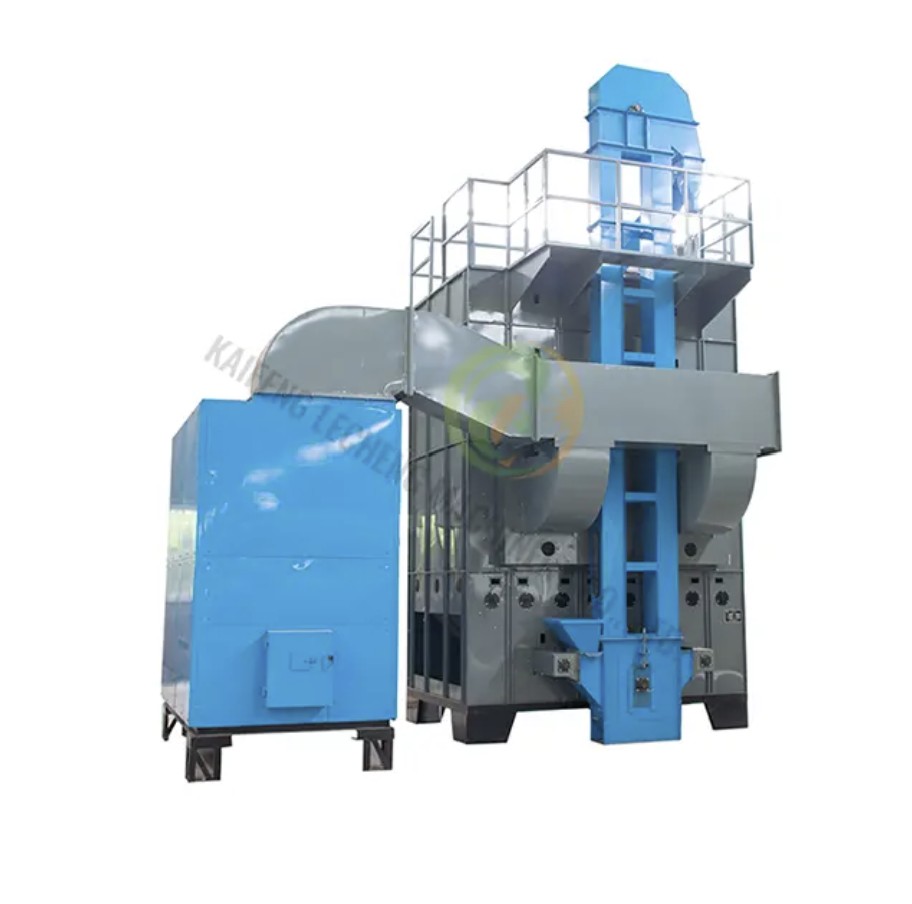
The air circulation system creates the airflow necessary for effective drying. High-capacity fans generate the pressure needed to push heated air through grain masses, while sophisticated duct systems distribute air evenly throughout the drying chamber. Variable-speed fans allow operators to adjust airflow rates based on grain type and drying conditions.
Drying chambers or towers house the grain during the drying process. These structures must maintain structural integrity under the weight of grain while providing uniform heat distribution. Insulation reduces energy losses, while specialized internal components like stirring mechanisms or grain distribution systems ensure even drying throughout the grain mass.
Cooling sections represent a critical but often overlooked component. After heating, grain must be cooled to near-ambient temperatures to prevent condensation and quality deterioration during storage. Cooling systems use ambient air or refrigeration to reduce grain temperature while maintaining low moisture levels.
Control panels and automation systems have become increasingly sophisticated, incorporating sensors for temperature, moisture, and airflow monitoring. Modern systems can automatically adjust parameters based on real-time conditions, reducing operator workload while optimizing drying efficiency and grain quality.
Auxiliary equipment includes conveyors, elevators, and handling systems that move grain through the drying process. These components must be designed to minimize grain damage while maintaining consistent flow rates through the dryer.
Key Components of a Grain Dryer
| Component | Function |
| Heat Source | Provides drying heat (gas, diesel, biomass, electric, or renewable). |
| Air Circulation | Fans and ducts push heated air evenly through grain masses. |
| Drying Chamber/Tower | Holds grain, ensures structural strength and uniform heat distribution. |
| Cooling Section | Lowers grain to near-ambient temp to prevent spoilage. |
| Control & Automation | Sensors and panels monitor and adjust drying parameters automatically. |
| Auxiliary Equipment | Conveyors/elevators move grain smoothly, preventing damage. |
Types of Grain Dryers and How They Work
Batch (Intermittent) Dryers
Batch dryers process grain in discrete loads, offering flexibility and control that appeals to many operators. The process begins with loading a specific quantity of grain into the drying chamber. Heated air then circulates through the grain mass, with some systems incorporating stirring mechanisms to ensure uniform exposure to drying conditions.
During the drying cycle, operators monitor moisture levels and adjust parameters as needed. Temperature, airflow, and drying time can be modified based on grain type, initial moisture content, and desired final moisture levels. This flexibility allows batch dryers to handle different grain types and conditions within the same operation.
The advantages of batch dryers include lower initial capital costs compared to continuous systems, mobility options for custom operators or smaller farms, and the ability to provide individualized treatment for different grain lots. Many batch dryers can be transported between farms, making them attractive for custom drying operations.
However, batch systems have limitations including smaller capacities, labor-intensive operation requiring manual loading and unloading, and potential downtime between batches that reduces overall throughput compared to continuous systems.
Continuous Flow (Tower) Dryers
Continuous flow dryers represent the industrial solution for high-volume grain drying operations. These systems feature tall towers where grain enters at the top and flows downward through different zones while heated air moves upward or crosswise through the grain column.
The process begins with wet grain entering the top of the tower through distribution systems that ensure even flow. As grain descends, it encounters heated air in the drying zone, where moisture removal occurs. Lower in the tower, grain passes through cooling zones where ambient air reduces temperature before discharge.
Continuous systems excel in operations requiring 24/7 operation capability, high throughput processing hundreds of tons daily, consistent moisture control through automated systems, and labor efficiency with minimal operator intervention once properly configured.
The trade-offs include higher capital investment, complexity requiring skilled maintenance and operation, and less flexibility when switching between grain types or handling varying moisture conditions.
Dryer Types
| Type | How It Works | Pros & Cons |
| Batch (Intermittent) | Fixed load; heated air circulates; monitored | Pros: Lower cost, flexible, mobile, tailored; Cons: Lower throughput, more labor, downtime |
| Continuous Flow (Tower) | Grain descends through drying & cooling zones | Pros: High capacity, 24/7, consistent moisture, low labor; Cons: Higher capex, more complex, less flexible |
Direct vs. Indirect Heating Systems
Heating Methods
| Method | Principle | Pros & Cons |
| Direct-Fired | Combustion gases mix with drying air | Pros: Maximum efficiency, strong heat; Cons: Requires clean combustion control |
| Indirect | Heat exchanger; clean air heats the grain | Pros: Cleaner air, food-safe; Cons: Lower efficiency, more hardware |
Direct-fired systems mix combustion gases directly with the drying air, providing maximum heat transfer efficiency. All heat generated by fuel combustion contributes to the drying process, making these systems highly energy-efficient. However, combustion must be complete to prevent contamination of grain with combustion byproducts.
Indirect heating systems separate combustion gases from drying air through heat exchangers. External air passes around combustion chambers and heat transfer surfaces, absorbing thermal energy without direct contact with combustion products. This approach provides cleaner drying air but with somewhat lower thermal efficiency due to heat transfer losses.
The choice between direct and indirect systems often depends on grain end-use requirements, fuel quality and availability, environmental regulations, and operator preferences regarding system complexity and maintenance requirements.
The Cooling Process
Cooling represents the final critical phase of the grain drying process, though its importance is often underestimated. After exposure to heated air, grain temperatures can reach 100-140°F (38-60°C), creating conditions for condensation, quality deterioration, and continued biological activity if not properly managed.
The cooling process removes excess heat while maintaining low moisture levels achieved during drying. Ambient air circulation gradually reduces grain temperature to within 10-15°F of ambient conditions, preventing temperature-related storage problems.
Batch systems typically use the same fan system for cooling, switching from heated air to ambient air after the drying phase completes. This approach extends cycle times but provides effective cooling with existing equipment.
Continuous systems incorporate dedicated cooling zones within the tower structure or separate cooling chambers. Grain flows from hot drying zones into cooler areas where ambient air removes excess heat. This allows continuous operation while ensuring proper grain conditioning.
Proper cooling prevents several storage problems including condensation formation when hot grain contacts cool air, continued enzyme activity that can affect grain quality and storage life, thermal stress that can cause kernel cracking and quality reduction, and hot spots in storage that create favorable conditions for pest activity and spoilage.
Quick View — Grain Cooling Process
Purpose: Removes heat after drying; prevents condensation, spoilage, and quality loss.
Batch Systems: Same fan switches to ambient air; longer cycles but effective.
Continuous Systems: Built-in cooling zones; enables nonstop operation with stable grain conditioning.
Key Benefits: Lowers grain temp near ambient, avoids cracking, extends storage life, reduces pest risks.
Benefits of Using a Grain Dryer
Grain dryers provide multiple benefits that extend far beyond simple moisture removal. Extended storage life represents perhaps the most significant advantage, allowing farmers to store grain for months or even years without quality deterioration. This capability provides marketing flexibility, enabling farmers to sell grain when prices are favorable rather than being forced to sell immediately after harvest.
Quality preservation through proper drying maintains grain's nutritional value, appearance, and processing characteristics. Well-dried grain retains higher protein levels, better color, and superior milling or processing qualities compared to grain damaged by improper moisture management.
Food safety improvements through mycotoxin prevention represent a crucial public health benefit. Proper drying creates conditions inhospitable to mold growth, preventing the formation of dangerous toxins that can contaminate food and feed supplies.
Economic benefits extend throughout the agricultural value chain. Farmers receive premium prices for properly conditioned grain while avoiding penalties for high moisture content. Reduced post-harvest losses translate directly to increased profitability, while marketing flexibility allows optimization of selling strategies.
Operational efficiency gains become apparent in large-scale farming operations. Mechanical drying eliminates weather dependency, allowing harvest operations to continue regardless of atmospheric conditions. This capability can significantly reduce harvest times and labor requirements while preventing weather-related crop losses.
Challenges and Considerations
Despite their benefits, grain dryers present several challenges that operators must carefully manage. Energy consumption represents the largest ongoing operational cost, with fuel expenses often accounting for 60-80% of total drying costs. Rising energy prices can significantly impact the economic viability of drying operations.
The risk of grain damage through improper operation remains a constant concern. Excessive temperatures can cook grain, reducing its value for food use or destroying seed viability. Uneven drying can create stress points that lead to kernel cracking, while over-drying can reduce grain weight and profitability.
Initial capital investment requirements can be substantial, particularly for continuous flow systems capable of handling commercial volumes. Equipment costs must be justified through increased crop values, reduced losses, or custom drying revenue opportunities.
Skilled operation and maintenance requirements cannot be overlooked. Proper grain dryer operation requires understanding of grain characteristics, drying principles, and equipment maintenance. Poor operation can result in grain damage, equipment failure, or safety hazards.
Grain Dryers: Benefits vs. Challenges
| Benefits | Challenges |
| Longer storage life | High energy costs |
| Better grain quality | Risk of overheating or over-drying |
| Improved food safety (mold control) | Large upfront investment |
| Higher market value, less loss | Skilled operators needed |
| Faster, weather-proof harvest | Ongoing maintenance requirements |
Maintenance and Safety Tips
Regular maintenance ensures reliable operation and extends equipment life while maintaining safety standards. Daily maintenance includes inspecting for unusual sounds, vibrations, or odors that might indicate developing problems. Cleaning dust and debris from air intakes, exhaust systems, and electrical components prevents blockages and fire hazards.
Seasonal maintenance involves thorough cleaning of all systems, inspection of wear components like belts and bearings, and testing of safety systems including emergency shutoffs and fire suppression equipment. Heat exchangers require periodic cleaning to maintain efficiency, while electrical connections need inspection for corrosion or loosening.
Safety considerations center on fire prevention and proper handling of combustible materials. Grain dust represents a significant explosion hazard, requiring proper ventilation, dust control, and elimination of ignition sources. Regular cleaning of dust accumulations and proper grounding of electrical systems help prevent static electricity buildup.
Operator training ensures safe and efficient operation while reducing the risk of accidents and equipment damage. Training should cover emergency procedures, proper startup and shutdown sequences, and recognition of abnormal operating conditions that require immediate attention.
Environmental and Economic Aspects
Modern grain dryers face increasing pressure to reduce environmental impact while maintaining economic viability. Fuel choices significantly affect both operating costs and environmental footprint. Natural gas typically provides the cleanest combustion with lowest emissions, while biomass fuels offer renewable alternatives that can reduce carbon footprint.
Energy-saving technologies continue to evolve, offering opportunities to reduce both costs and environmental impact. Heat recovery systems capture waste heat from exhaust air to preheat incoming air, improving overall thermal efficiency. Recirculation systems reuse partially dried air, reducing fuel consumption while maintaining effective drying.
Economic analysis must consider both capital and operating costs over the equipment's useful life. Higher-efficiency systems may justify increased initial investment through reduced operating costs, while financing options can make advanced technology accessible to smaller operations.
Government incentives and regulations increasingly favor environmentally friendly technologies. Energy efficiency rebates, renewable fuel incentives, and emission reduction requirements all influence the economics of grain dryer selection and operation.
Future Trends in Grain Drying Technology
Automation and precision control represent the most significant technological advancement in modern grain dryers. Smart sensors monitor moisture, temperature, and airflow conditions in real-time, automatically adjusting parameters to optimize drying efficiency while preventing grain damage.
Artificial intelligence and machine learning applications are beginning to appear in high-end systems. These technologies analyze historical data and current conditions to predict optimal drying strategies, reducing energy consumption while improving grain quality consistency.
Renewable energy integration offers promising opportunities for reducing both costs and environmental impact. Solar thermal systems can supplement conventional heating, while biomass burners utilize agricultural waste for fuel. Hybrid systems combine multiple energy sources for optimal efficiency.
Internet connectivity enables remote monitoring and control, allowing operators to oversee multiple drying operations from centralized locations. Predictive maintenance systems can identify developing problems before they cause failures, reducing downtime and repair costs.
FAQs About Grain Dryers
How long does it take to dry grain in a dryer?
Drying time varies significantly based on grain type, initial moisture content, desired final moisture, dryer type, and capacity. Batch dryers typically require 4-8 hours for complete cycles, while continuous flow dryers process grain in 30 minutes to 2 hours depending on design and conditions.
What is the ideal moisture content for safe grain storage?
Safe storage moisture levels typically range from 13-14% for most grains. Corn can be safely stored at 14% moisture, wheat at 13%, and soybeans at 13%. Lower moisture levels provide greater safety margins but may result in over-drying penalties and unnecessary energy consumption.
Are continuous flow dryers better than batch dryers?
The choice depends on operation scale and requirements. Continuous flow dryers excel in high-volume operations requiring 24/7 operation, while batch dryers provide flexibility for smaller operations or those handling multiple grain types with varying requirements.
Can grain dryers damage seeds or reduce germination?
Excessive heat can reduce seed viability, making temperature control critical for seed grain. Proper operation typically maintains germination rates above 85%, while improper operation can destroy seed viability entirely.
How much does it cost to operate a grain dryer?
Operating costs vary widely based on fuel prices, dryer efficiency, moisture removal requirements, and local conditions. Typical costs range from $0.02 to $0.08 per bushel for natural gas systems, with exact costs depending on specific circumstances.
Maximizing Your Harvest Through Effective Grain Drying
Grain dryers represent essential infrastructure for modern agricultural operations, providing the capability to preserve harvest quality while optimizing marketing opportunities. The technology combines fundamental physics principles with sophisticated engineering to create systems capable of processing thousands of tons of grain daily while maintaining precise quality standards.
Success with grain drying requires understanding the principles involved, selecting appropriate equipment for specific needs, and maintaining rigorous operational standards. Whether choosing batch flexibility or continuous flow efficiency, proper system selection and operation can transform grain drying from a necessary expense into a profit-enhancing investment.
As agricultural operations continue to scale and quality requirements become increasingly stringent, grain dryers will play an ever more critical role in ensuring food security and agricultural profitability. Investing in efficient, well-maintained drying systems provides the foundation for long-term agricultural success while contributing to global food security goals.


