Grain cleaning is an essential step in the agricultural processing industry. It involves removing impurities such as dirt, dust, stones, and other foreign materials from harvested grains. This process helps to ensure that only high-quality, clean grains make it to the market. Grain cleaning machines are specialized equipment designed to carry out this crucial task with high efficiency and precision.
The right grain cleaning machine is an investment that can significantly impact the quality and profitability of your processed grain. This article will explore the best grain cleaning machines for wheat, corn, and rice processing, highlighting key features, performance, and considerations for each type of grain.
Understanding Grain Cleaning Machines
What are Grain Cleaning Machines?
Grain cleaning machines are mechanical systems designed to remove impurities from harvested grains. These machines typically use a combination of different technologies such as sieving, air screening, gravity separation, and sometimes magnetic separation to clean grains.
Sieving involves passing grains through mesh screens to separate particles based on size.
Air screening uses airflow to remove lighter materials like dust, husks, and chaff.
Gravity separation relies on the weight difference between grains and impurities to ensure a clean product.
Magnetic separation is used to remove any metal contaminants.
These machines help improve the overall quality of grains, making them safe for consumption and ready for further processing or packaging.
How Do Grain Cleaning Machines Work?
Grain cleaning machines work in several steps to remove unwanted materials. Typically, these steps include:
Pre-cleaning: Initial removal of large debris like stones, straw, and twigs.
Fine cleaning: Removal of smaller impurities like dust, broken grains, and other fine materials using air or vibration.
Separation: Further separation of different sizes of grains through sieves and air screens.
Magnetic separation: For grains that require the removal of metal contaminants, a magnetic separator is used.
Each step is crucial for ensuring that the grains meet the quality standards required for both market sale and further processing.
Key Factors to Consider When Choosing the Best Grain Cleaning Machine
Choosing the right grain cleaning machine for your operation requires careful consideration of several factors. Here are the main aspects to consider:
Type of Grain
Different grains have unique characteristics, and the cleaning process must be tailored to each type:
Wheat: Wheat kernels are relatively fragile and require a gentle cleaning process. The focus should be on removing small debris and ensuring minimal grain breakage.
Corn: Corn is more robust, and the cleaning process focuses on removing larger impurities such as husks, cob fragments, and stones.
Rice: Rice cleaning machines need to ensure that the rice is not broken during the cleaning process, making gentle handling and precise separation essential.
Cleaning Capacity
The capacity of the grain cleaning machine should match the scale of your operation. Larger farms or industrial processors will require machines with higher throughput to handle larger volumes of grain. On the other hand, smaller operations may benefit from more compact machines.
Cleaning Efficiency and Purity
Efficiency in removing impurities is one of the most important factors. A machine that offers a high level of purity will ensure better quality grains and minimize waste. Look for machines that have advanced features like adjustable air pressure, vibrating screens, and gravity separators to provide thorough cleaning.
Durability and Maintenance
A durable machine ensures long-term performance, while easy maintenance features help reduce downtime. Look for grain cleaning machines made from high-quality materials and designed for easy servicing.
Energy Efficiency
Energy-efficient machines can help reduce operating costs, particularly when processing large quantities of grain. Machines that require less power to run can provide savings on electricity while maintaining high cleaning performance.
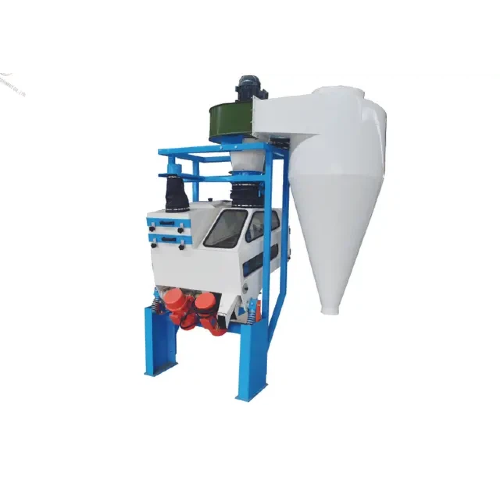
Best Grain Cleaning Machines for Wheat, Corn & Rice Processing
Here are some of the top grain cleaning machines for wheat, corn, and rice processing, offering a range of features and performance levels.
Best Grain Cleaning Machines for Wheat
Wheat cleaning machines are designed to remove small debris like dust, chaff, and broken kernels while preserving the integrity of the wheat grains. Some of the best machines include:
5X Air Screen Seed Cleaner
Features: Uses air screen technology to separate light materials such as dust, chaff, and small seeds from the wheat.
Advantages: Provides high efficiency with low energy consumption and ensures minimal grain breakage.
Gravity Separator
Features: Separates wheat grains based on their density, removing heavy impurities like stones and broken grains.
Advantages: Offers precise separation, ensuring high purity in the final product.
Best Grain Cleaning Machines for Corn
Corn requires robust cleaning machines that can handle larger impurities like cob fragments and stones. Here are some top models:
TSCY Single Drum Sieve
Features: A versatile machine with adjustable settings for separating large impurities from corn kernels.
Advantages: Ensures a clean output with minimal waste, ideal for large-scale operations.
Magnetic Separator for Corn
Best Grain Cleaning Machines for Rice
Rice is a delicate grain that requires careful cleaning to prevent breakage. Some top machines include:
Rice Gravity Separator
Air Screen Cleaner for Rice
Features to Look for in a Grain Cleaning Machine
When choosing the best grain cleaning machine, certain features can make a significant difference in performance and efficiency.
Adjustable Settings for Different Grains
Machines that offer adjustable settings allow you to customize the cleaning process for different grain types. This flexibility ensures that the machine can handle various crops like wheat, corn, and rice without compromising quality.
Durability and Maintenance
A high-quality grain cleaning machine should be durable and easy to maintain. Look for machines made from stainless steel or other corrosion-resistant materials. Additionally, easy-to-access components for regular maintenance can save time and reduce operating costs.
Energy Efficiency
Choose grain cleaning machines with energy-efficient designs to minimize electricity usage. This is especially important for large-scale operations where energy consumption can significantly affect operating costs.
How Grain Cleaning Machines Improve Processing Efficiency
Increased Yield
By removing impurities from grains, cleaning machines increase the yield of high-quality grains, which can be sold at higher market prices. Clean grains are also easier to store and transport, reducing the risk of spoilage.
Reduced Wastage
Efficient cleaning machines minimize wastage by effectively separating impurities from grains. This ensures that more of the harvested product is usable, reducing overall processing costs.
Improved Storage and Transport
Clean grains have a longer shelf life and are less prone to contamination. This makes them easier to store and transport, leading to fewer losses during the distribution process.
Comparison Table of Grain Cleaning Machines for Different Grains
Grain Type | Machine Model | Key Features | Advantages |
Wheat | 5X Air Screen Seed Cleaner | Air-screen technology, minimal grain breakage | High efficiency, low energy consumption, clean wheat |
| Gravity Separator | Density separation, stone removal | Precise separation, high purity |
Corn | TSCY Single Drum Sieve | Adjustable settings, large impurity removal | Versatile, reduces waste, high-capacity processing |
| Magnetic Separator for Corn | Magnetic technology for removing metal contaminants | Ensures safety, maintains quality |
Rice | Rice Gravity Separator | Gravity separation, stone and broken grain removal | Gentle on rice, high cleaning efficiency |
| Air Screen Cleaner for Rice | Air-screen technology for light debris removal | Preserves rice integrity, effective cleaning |
Conclusion
Choosing the right grain cleaning machine is essential for maintaining the quality of wheat, corn, and rice. By selecting the appropriate machine tailored to your processing needs, you can ensure that your grains are cleaner and of higher quality, ultimately commanding better prices in the market. Whether you are a small-scale farmer or a large industrial processor, investing in top-quality grain cleaning equipment can significantly improve processing efficiency, reduce waste, and boost the overall profitability of your operation.
At Kaifeng Lecheng Machinery Co., Ltd., we specialize in providing high-performance grain cleaning solutions that cater to a variety of agricultural needs. Our machines are designed to deliver optimal results while ensuring low maintenance and energy efficiency. If you are looking to enhance your grain processing capabilities and improve the quality of your products, we encourage you to get in touch with us. Our team is ready to offer expert advice, discuss your requirements, and provide tailored solutions to meet your needs.
FAQ
Q1: What’s the best grain cleaning machine for small-scale processing?
Answer: For small-scale operations, a 5X Air Screen Seed Cleaner or similar compact machine would be ideal. These machines are efficient, easy to maintain, and well-suited for smaller batches.
Q2: How often should I maintain my grain cleaning machine?
Answer: Maintenance should be conducted regularly, with major checks recommended every 3-6 months depending on the volume of processing. Always follow the manufacturer’s guidelines for cleaning and part replacements.
Q3: Can grain cleaning machines handle different grain types?
Answer: Yes, many modern grain cleaning machines are versatile and allow for adjustments to handle different grain types such as wheat, corn, and rice. Ensure that the machine you choose offers the flexibility to clean a variety of grains.
Q4: What’s the difference between gravity separators and air-screen cleaners?
Answer: Gravity separators separate grains based on their weight differences, while air-screen cleaners use airflow to remove lighter materials such as dust and chaff. Both are effective but serve slightly different purposes in the cleaning process.


