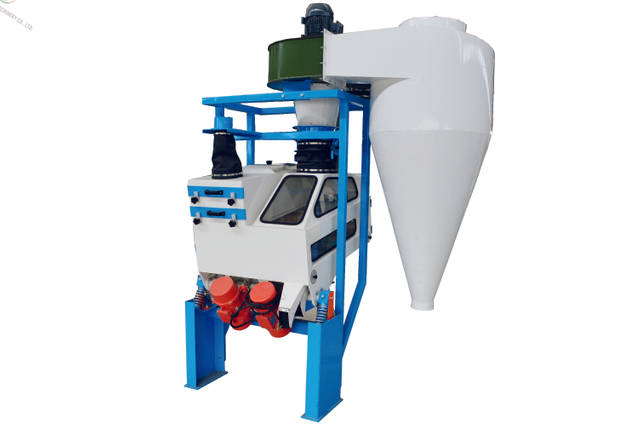
Commercial farmers and processors face a massive bottleneck during peak planting season. You must constantly balance high-volume throughput alongside strict chemical application accuracy. Outdated batch systems and legacy manual setups repeatedly fail here. They consistently lead to expensive chemical waste, inconsistent seed coverage, and compromised yield potential. Modern agriculture strictly demands more precision. Moving to a seed continuous treater serves as a strategic operational upgrade. It offers much more than just simple capacity expansion. This transition sets the perfect stage for evaluating deep operational efficiencies. You gain better long-term facility benefits and consistent agronomic output. Let us explore exactly how automated continuous systems transform your daily workflows. You will learn about implementation realities, facility integration, and how modern equipment drives immediate financial returns.
Key Takeaways
Continuous seed treatment systems optimize high-capacity throughput while maintaining precise chemical-to-seed ratios.
Upgrading reduces variable costs associated with chemical over-application and manual labor hours.
Evaluating a new system requires looking beyond initial price to assess automation, integration with existing conveyors, and data-logging capabilities for regulatory compliance.
Successful implementation demands proactive facility planning and operator training.
Overcoming Processing Bottlenecks: The Shift to Continuous Systems
Legacy batch systems suffer from distinct operational limitations. Facilities often struggle against slower turnaround times. Operators face frequent operational downtime between individual batches. Human error in manual chemical dosing frequently disrupts quality control. These outdated setups simply cannot handle rapid, high-capacity demands effectively. You lose valuable time waiting for mixing cycles to finish. Every lost minute reduces your daily output capacity.
Consider the sheer volume required for commercial corn or soybean planting. Facilities must move thousands of bushels rapidly. Legacy systems simply choke under this intense pressure. Workers manually dump bags of powder or jugs of liquid. They wait for timers to finish. Then they manually discharge the drum. This start-and-stop rhythm ruins productivity. Modern farming leaves zero room for these archaic methods.
Tight planting windows require absolutely uninterrupted workflows. Weather patterns shift incredibly fast during spring. Farmers need treated seeds ready for immediate field dispatch. Delaying your production due to machinery limits risks missing optimal planting dates. A delayed planting season directly hurts crop yields. You must process massive volumes quickly. The modern farming imperative demands continuous, reliable production lines.
A modern seed treatment machine effectively bridges this critical gap. It seamlessly matches commercial-scale volume with necessary agronomic precision. You no longer have to sacrifice coating quality for processing speed. Continuous systems maintain a constant, steady feed rate. They automate the precise delivery of protective agents onto every single seed. This technology transforms sluggish processing floors into highly efficient production hubs.
Core Operational Advantages of a Seed Continuous Treater
Uninterrupted throughput fundamentally changes how agricultural facilities operate. Continuous flow mechanics precisely synchronize seed metering directly with pump speeds. You easily maintain a steady hourly tonnage. The machinery automatically adjusts chemical flow if seed flow fluctuates. This tight synchronization prevents costly delays and erratic coverage. Equipment runs smoothly without the harsh start-and-stop actions of older units.
Chemical application accuracy greatly improves under continuous operation. Advanced atomizers and mixing drums inside a modern seed coating system heavily reduce the coefficient of variation (CV). You easily prevent dangerous under-treatment. Under-treated seeds pose severe agronomic risks in the field. You also prevent over-treatment, eliminating major financial waste. Every individual seed receives exactly the right amount of protective coating. Better accuracy means healthier crops and happier clients.
Primary mixing occurs the moment the seed hits the atomizer cone. A fine chemical mist coats the seed instantly. Secondary mixing happens as seeds tumble gently through the polishing drum. This dual-stage action guarantees perfect distribution. You avoid sticky clusters of overly wet seeds. Dry, evenly coated seeds flow beautifully into your storage bins.
Automated continuous processes also enable incredibly smart labor reallocation. Staff no longer need to constantly oversee manual batch mixing. You effectively reduce your reliance on heavy manual intervention. Employees can confidently focus on high-level quality control instead. They successfully manage logistics, track inventory, and ensure smooth downstream packaging operations. Your team handles higher-value tasks rather than babysitting mixing drums.
Key Evaluation Dimensions for Seed Processing Machinery
Evaluating new seed processing machinery requires careful and strategic feature mapping. Not all continuous flow systems perform equally well. You must deliberately match equipment features to your specific operational outcomes. Looking past the basic specifications is crucial.
Consider these core hardware and software components during evaluation:
Metering Systems: Choose carefully between volumetric and loss-in-weight systems. Evaluate them strictly based on your required accuracy and seed type variability.
Pump Configurations: Multi-pump setups allow you to apply complex liquid or powder recipes simultaneously. You entirely avoid messy and inaccurate manual pre-mixing.
Software & Automation: Look for advanced PLC touchscreens, recipe saving, and remote monitoring capabilities. These specific features drastically reduce your daily setup times.
Security and compliance also demand your strict attention. You must evaluate internal data-logging features. Environmental and regulatory compliance requires highly accurate tracking. Proper documentation of your chemical seed treatment usage fundamentally protects your business. It ensures highly accurate inventory tracking and effortlessly meets stringent industry standards. Detailed batch reports help immensely during annual regulatory audits.
Let us look at a breakdown of how key features translate into direct outcomes:
System Feature
Operational Outcome
Direct Benefit
Loss-in-Weight Metering
Real-time seed flow measurement
Higher accuracy regardless of seed density changes
Multi-Pump Configuration
Simultaneous separate chemical application
Prevents cross-contamination and mixing errors
PLC Recipe Management
One-touch setup for different seed types
Reduces changeover time between different crop batches
Automated Data Logging
Digital tracking of all chemical usage
Simplifies regulatory compliance and inventory audits
Implementation Risks and Facility Integration Realities
Upgrading your processing equipment is never a simple plug-and-play process. We know firsthand from industry experience that proper facility integration requires meticulous planning. You must actively account for physical space and workflow changes. Ignoring these factors creates severe post-installation headaches.
Consider your footprint and layout very carefully. Evaluate your facility ceiling height early in the process. Some facilities severely underestimate the required floor space. You need room for the treater, the conveyors, and the control panels. Operators need safe walking space for routine maintenance. Downstream drying conveyors take up considerable linear footage. If you ignore these spatial requirements, you create dangerous and cramped work environments. Always map your floor plan digitally before ordering equipment.
Your new system must integrate smoothly with existing bin or bagging setups. Processing bottlenecks often shift downstream if conveyors cannot handle the new continuous speed. Fast treatment means nothing if your packaging line cannot keep up.
You will also face important calibration realities. Operators must navigate a distinct technical learning curve. Continuous systems require incredibly precise initial calibration. Different seed sizes and varying environmental conditions significantly impact performance. Temperature and humidity routinely change liquid chemical viscosity. You must actively adapt machine settings to maintain consistent coating thickness.
We transparently discuss ongoing maintenance needs. Daily cleaning protocols remain strictly necessary. They actively prevent stubborn chemical buildup inside the mixing chamber. Skipping your routine maintenance leads to sensor failure and unexpected downtime. A clean machine guarantees consistent flow and accurate metering every single day.
Calculating ROI with Modern Seed Dressing Equipment
Frame your new investment by looking at long-term operational savings. Evaluating your upfront equipment costs against continuous savings paints a clearer financial picture. Modern seed dressing equipment quickly pays for itself through multiple efficiency gains.
Think about the cost of premium fungicidal treatments. Every ounce matters. Over-treating by just five percent costs you thousands of dollars annually. Automated systems eliminate this invisible financial drain. You achieve highly quantifiable savings almost immediately after installation.
Reduction in Active Ingredient Waste: Exact automated dosing actively saves substantial percentages on expensive chemical costs. You stop giving away expensive fungicides for free.
Decreased Energy Consumption: Continuous flow lowers your energy use per ton processed. It bypasses the power-heavy start-stop cycles of older batch systems. Motors run at a steady, efficient pace.
Yield protection represents the ultimate end-user benefit. Uniform seed protection translates directly to better stand establishment in the field. Every seed fights off early-season pests effectively. You also protect the environment by preventing chemical runoff. Exact dosing keeps chemicals precisely on the seed, exactly where they belong.
This agronomic success builds solid brand reputation for seed suppliers. Consistent quality secures repeat business season after season. Farmers inherently trust suppliers who deliver perfectly treated seeds reliably. We see businesses recoup their equipment costs incredibly fast through chemical savings alone.
Conclusion
Moving to continuous processing marks a fundamental industry shift. It drives your facility toward data-driven, high-efficiency agriculture. You gain incredibly precise control over your exact output. Consistency entirely replaces guesswork on your processing floor.
Follow a very clear shortlisting logic. Audit your exact peak-season tonnage carefully. Assess your current chemical waste metrics to identify immediate savings. Request live equipment demonstrations before making any final purchasing decisions. Seeing the machinery run provides invaluable technical insights.
Take immediate next steps today. Download a detailed spec sheet to compare different models. Calculate your potential chemical savings using accurate operational data. Schedule a thorough facility consultation with a qualified equipment engineer to finalize your layout.
FAQ
Q: What is the minimum annual seed volume required to justify a seed continuous treater?
A: The break-even point depends heavily on your specific throughput needs and local labor costs. Generally, facilities processing thousands of tons annually see the fastest returns. However, even mid-sized operations justify the upgrade through massive reductions in expensive chemical waste. Analyze your current bottleneck delays to determine true financial justification.
Q: Can continuous systems handle multiple types of chemical seed treatments simultaneously?
A: Yes, they absolutely can. Modern systems utilize advanced multi-pump configurations. This allows for the simultaneous application of fungicides, inoculants, and colorants. They apply these liquids precisely without requiring manual pre-mixing. This setup safely prevents cross-contamination and maintains the chemical integrity of each distinct product.
Q: How difficult is the transition from batch to continuous processing for operators?
A: The transition does require initial baseline training. Operators must learn PLC systems and automated calibration procedures. However, modern user interfaces drastically reduce long-term operational complexity. Once trained, your staff will find touchscreen recipe management much easier and far less physically demanding than older manual batch systems.